Houston Attic Mold Removal Near Me This Fall
If you are searching for attic mold removal near me in Houston, fall is a good time to act. Summer heat, humidity and storm season push moisture into attics, and growth on roof decking often shows up now. Find the moisture source first, then call to be connected with a local provider.
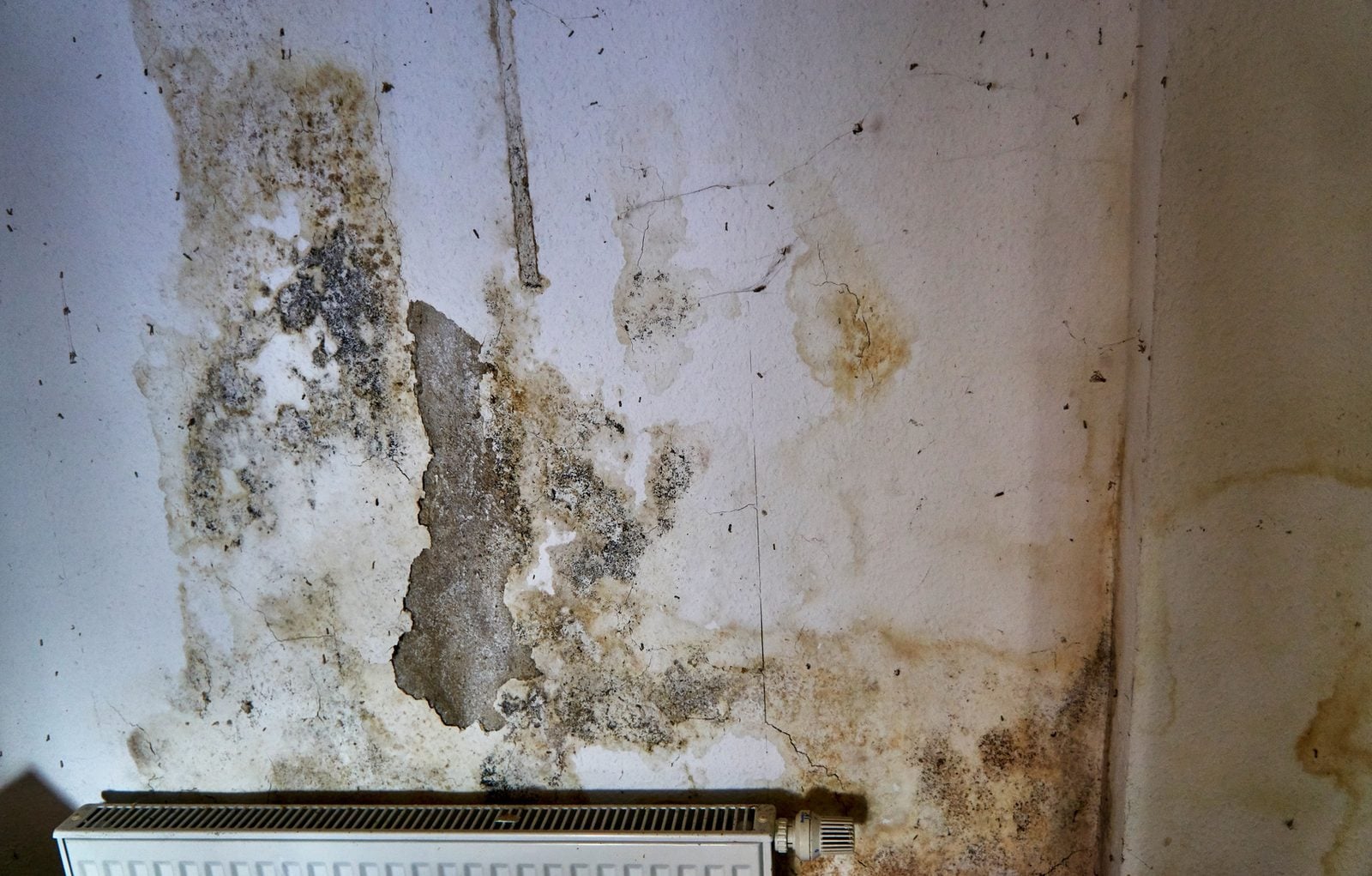
- The Atlantic hurricane season runs from June 1 to November 30, so a fall attic check catches leaks from the season's storms.
- The Texas Department of Insurance warns that mold can start growing within a day after a leak.
- In Texas, mold assessment and mold remediation businesses are regulated by the Texas Department of Licensing and Regulation (TDLR).
- Texas rules do not let one licensee do both the mold assessment and the mold remediation on the same project.
- Attic mold almost always traces back to moisture: a roof leak, poor ventilation, or warm, damp air leaking up from the house.
Why is fall the time to look for attic mold removal near me in Houston?
Fall is a smart time to look for attic mold removal near me in Houston because the attic has just come through the hottest, most humid months and the peak of storm season. Problems that started in summer, like a small roof leak or a sweating duct, often leave stains and growth you can spot now.
Fall also gives you working room. The attic is cooler, so a closer look is easier, and you have time to fix the moisture source before winter. Cool nights can bring a new problem: warm, damp air from the living space rising into a cold attic and condensing on the underside of the roof. Catching growth in fall helps you plan instead of reacting.
What are the signs of mold in a Houston attic?
The most common signs of attic mold in a Houston home are dark spotting or staining on the roof decking, a musty smell near the attic hatch, damp or matted insulation, and water stains on the ceiling below. Many homeowners find it only when they go up for holiday decorations.
- Dark, blotchy patches on the plywood or OSB roof sheathing, often heaviest near the eaves or around vents.
- Frost-like or white fuzzy growth on nails or wood in cooler months.
- Musty odor in upstairs rooms or closets, especially when the AC first runs.
- Sagging or stained ceiling drywall under the attic.
- Rusty nail tips poking through the decking, which point to repeated condensation.
Not every dark stain is mold. Old water marks, soot and wood discoloration can look similar, which is one reason an inspection helps. See mold inspection in Houston for how that works.
What causes attic mold after a Houston summer?
Attic mold after a Houston summer is caused by moisture that stays long enough for growth to start. The usual sources are roof leaks from storms, blocked or missing ventilation, bathroom or dryer vents that dump into the attic, and AC ducts or air handlers that sweat in hot, humid air.
Here is how each one plays out:
- Storm leaks. Wind-driven rain can lift shingles or flashing. A slow drip may soak insulation for weeks before a ceiling stain shows.
- Ventilation problems. Soffit vents covered by insulation, or too few roof vents, trap humid air.
- Exhaust fans venting into the attic. Steam from showers and dryers ends up on the roof decking.
- HVAC condensation. Ducts, plenums and drain pans in the attic can drip when insulation is torn or a drain line clogs. Learn more on the HVAC and duct mold page.
Removing growth without fixing the source usually means it returns.
Need help now? Call to be connected with a local provider in Houston who can check availability for your address.
Can I remove attic mold myself or should I call for help?
In Texas, a homeowner can legally clean up mold in their own home without a license, but attic mold is often harder than it looks. Attics are hot, cramped and dusty, the growth may cover large areas of decking, and disturbing it can spread spores into the house through gaps and ducts.
A small, surface-level patch with a clear, fixed cause is a different situation from widespread staining across the roof deck. If the growth is spread out, keeps coming back, or sits near ductwork, it makes sense to call and be connected with a local provider who can inspect first and explain your options.
How is attic mold removal usually done?
Attic mold removal usually starts with fixing the moisture problem, then setting up containment so dust stays out of the living space, then cleaning or treating affected wood and removing damaged insulation. The goal is to remove growth, not just cover it up.
Common steps a provider may explain:
- Find and correct the moisture source, such as a roof leak, vent or duct issue.
- Seal off the attic hatch and any openings into the house.
- Use HEPA vacuuming and cleaning methods on the roof decking and framing.
- Remove and replace wet or contaminated insulation where needed.
- Improve ventilation so the attic dries out.
For larger projects in Texas, the work follows a written protocol from a licensed mold assessment consultant. Read more about the full process on the attic mold remediation page.
Who is allowed to remove attic mold for others in Texas?
In Texas, companies and individuals who do mold assessment or mold remediation for others must be licensed by the Texas Department of Licensing and Regulation (TDLR), unless an exemption applies. The rules come from Texas Occupations Code Chapter 1958 and the Texas Mold Assessment and Remediation Rules.
Texas also keeps testing and removal separate. One licensee cannot do both the mold assessment and the mold remediation on the same project. You can check any Texas mold license with TDLR's online license search, and licensed individuals must carry a current TDLR license certificate showing their license number.
What happens during the visit?
During the visit, a local provider looks at the attic and the rooms below, explains what they found and what your options are, and gives you a written quote before any work begins. You decide what happens next.
- Inspection. They check the roof decking, insulation, vents, ducts and the attic hatch, and look for the moisture source. Some use moisture meters or take samples.
- Options explained. They walk you through what needs to be fixed, what can be cleaned, and what may need to be removed, plus whether a separate licensed assessor is involved.
- Written quote first. You get the scope in writing before work starts, so you can compare and ask questions.
Ask how the moisture source will be handled and what paperwork you will get at the end.
How Houston's weather sets up attic mold every year
Houston's climate puts a lot of stress on attics, from Sugar Land and Missouri City to The Woodlands, Kingwood and Humble.
- Long storm season. The Atlantic hurricane season runs June 1 to November 30, with most activity between mid-August and mid-October. Fall is when many owners first notice leaks from that stretch.
- Heavy rain. Houston Intercontinental's 1991-2020 normal annual rainfall is 51.84 inches, according to the National Weather Service.
- Extreme heat. Houston Intercontinental's record high is 109°F, and hot attics paired with cold AC ducts are a recipe for condensation.
- Frequent flooding. The Harris County Flood Control District says a major flood occurs somewhere in Harris County about every two years, which keeps indoor humidity high in many homes.
- Fast growth after leaks. The Texas Department of Insurance warns that mold can start growing within a day after a leak.
For nearby area pages, see mold help in The Woodlands or mold help in Sugar Land.
Related pages
Questions people ask
How do I find attic mold removal near me in Houston?
Call the number on this page to be connected with a local provider who handles attic mold in Houston. Before you call, note where you see growth, any recent roof leaks, and whether you have noticed a musty smell upstairs.
Is it normal to find mold in my attic after a hot Houston summer?
It is common, but it is not normal and it should not be ignored. Summer heat, humidity and storm leaks give mold what it needs, so a fall check of the attic is a good habit for Houston homeowners.
What does mold on attic plywood look like?
It usually looks like dark gray, black or greenish blotches on the underside of the roof decking. It is often heaviest near the eaves, around vents, or in spots that stay shaded and damp.
Why does my attic smell musty when the AC turns on?
A musty smell when the AC starts can mean moisture and growth near the air handler, ducts or the attic itself. Leaky returns can pull attic air into the system, so it is worth having the attic and HVAC checked.
Can a roof leak from a storm cause attic mold even if my ceiling looks fine?
Yes. A slow leak can soak insulation and roof decking for weeks before a ceiling stain appears. After a big storm, look in the attic for wet insulation or dark spots around nails and seams.
Does cold weather in Houston make attic mold worse?
It can. On cool nights, warm, damp air from the house can rise into the attic and condense on the cold roof decking. That moisture can feed new growth if ventilation and air sealing are poor.
Is white mold in my attic different from black mold?
Color alone does not tell you the type of mold or how serious the problem is. White, black or green growth all point to a moisture problem that needs to be found and fixed.
Should I replace my attic insulation if it has mold on it?
Often, yes. Insulation that got wet or has visible growth is hard to clean, so providers commonly remove and replace it. Ask for a clear explanation of how much needs to come out and why.
Can I just spray bleach on the mold in my attic?
Spraying bleach on attic wood is not a full fix. It may lighten stains but does not solve the moisture problem, and bleach does not soak well into porous wood. Fix the source first and get advice on cleaning.
Is mold in the attic a problem for the rest of my house?
It can be. Attic air can move into living spaces through gaps, light fixtures and ducts. If you have health concerns, talk with a doctor, and follow general guidance from public health agencies.
Do bathroom fans that vent into the attic cause mold?
Yes, they are a common cause. Shower steam vented into the attic lands on the roof decking and can lead to growth. Fans should vent outside the home, through the roof or wall.
How do I know if my attic has enough ventilation for Houston weather?
Look for clear soffit vents that are not blocked by insulation, plus roof or ridge vents up top. Signs of poor ventilation include rusty nails, damp decking and a very stuffy attic. A provider can check during the visit.
Do I need a separate company to test my attic before mold removal in Texas?
For licensed mold projects in Texas, yes. One licensee cannot do both the mold assessment and the remediation on the same project, so testing and removal are handled separately.
Does homeowners insurance pay for attic mold removal after a roof leak in Texas?
It depends on your policy and how the damage happened. The Texas Department of Insurance says most policies cover sudden and accidental water damage but usually not gradual leaks. Check your policy and document everything.
Should I take photos of attic mold before calling someone?
Yes, photos help. Take pictures of the growth, stains, wet insulation and any roof damage, with dates. They are useful for the provider, for your records, and if you talk with your insurance company.
Can attic mold come back after it is removed?
Yes, if the moisture source is not fixed. Roof leaks, poor ventilation and venting fans into the attic need to be corrected, or growth can return after the next humid season.
What questions should I ask before hiring someone for attic mold removal in Houston?
Ask for their TDLR license number, how they will contain dust, how they will handle the moisture source, and what paperwork you will receive. Make sure you get a written quote before work begins.
What time of year is easiest for attic mold removal in Houston?
Cooler fall and winter months are often easier for attic work because the space is less hot. The more important timing is fixing the moisture source soon after you find growth.
Talk to someone about your mold problem
Call to be connected with a local provider who can check availability for your address and explain the next step.