Moisture mapping
Readings taken across walls, floors and ceilings mark where material is still wet. That boundary, not the visible stain, is what sets the cut lines.
An inspection answers two questions: how far the growth really goes, and what is keeping the material wet. Houston Mold Removal Experts takes moisture readings, looks in the places nobody can see from a doorway and writes up findings you can act on.
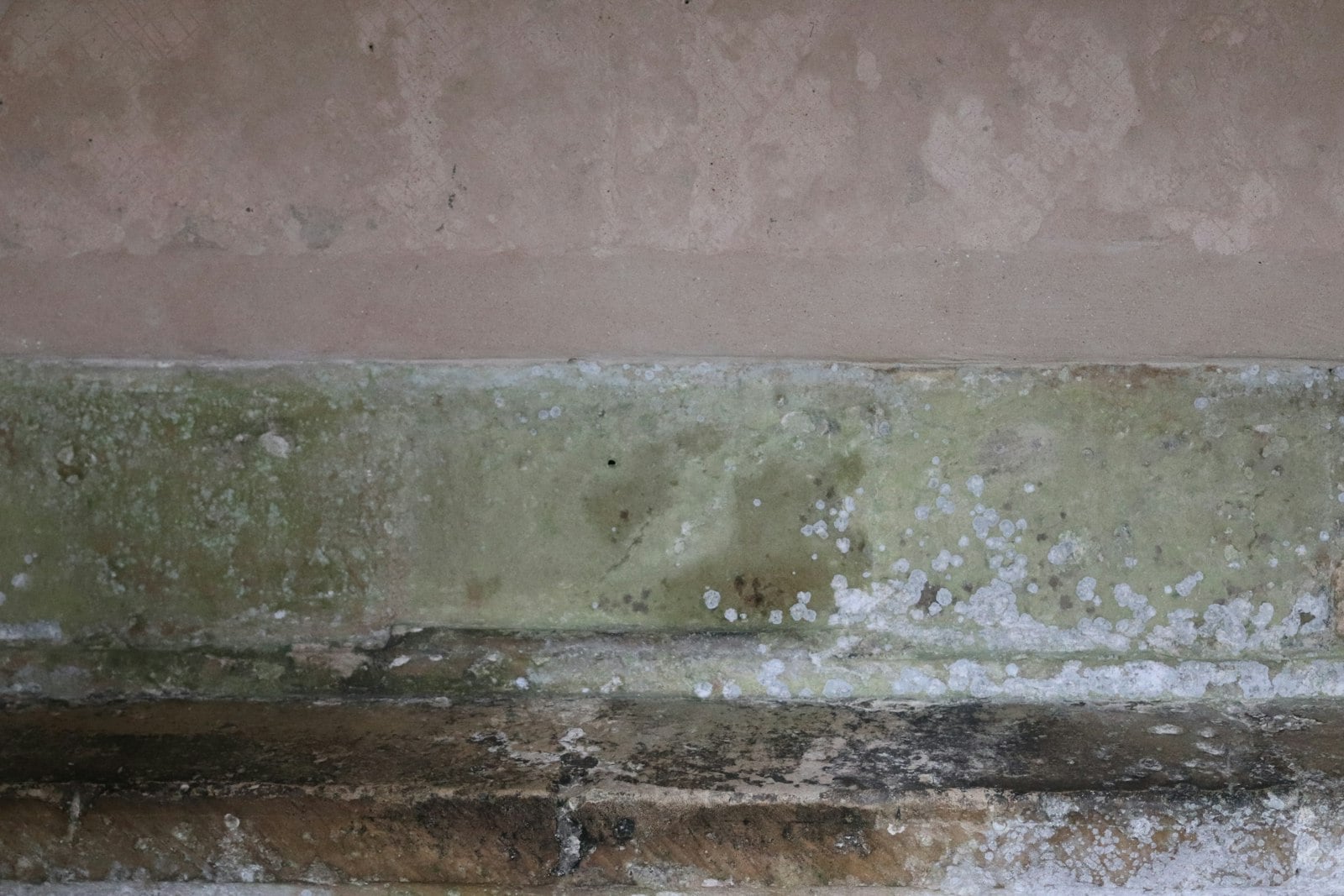
Houston houses sit on slabs with no basement, so water that gets inside travels sideways along the floor instead of draining down. The wet zone is usually a band along the bottom of the drywall, behind the baseboard, and nothing shows on the surface for weeks.
Not every visit needs every item below. The point is to leave with a scope that fits the property instead of a generic price list.
Readings taken across walls, floors and ceilings mark where material is still wet. That boundary, not the visible stain, is what sets the cut lines.
Roof and flashing, supply and drain lines, shower pans, window seals, condensate lines and sweating attic duct work are all candidates in this climate.
The air handler and the ducts are in the attic in most homes here, so a look above the ceiling is part of understanding what is happening below it.
A plain description of what was found, where it was found and what the recommended work would cover, so you can compare quotes on equal terms.
Sampling is not automatically the first step. If growth is already visible, a lab result confirming it is mold rarely changes anything: the wet material still comes out and the leak still has to be fixed. Testing earns its place when nothing is visible but the smell is obvious, when a landlord, a buyer or an insurer wants documentation, or when you want a record of conditions before and after the work.
Texas licenses mold assessment and mold remediation separately, and above the state's threshold the assessor who writes the scope and the remediator who carries out the work must be different parties. Ask any company which role it is filling on your job and which license numbers will appear on the paperwork.
Once the findings are in, removal versus remediation explains what your scope is actually describing. From there most Houston jobs go to mold removal, attic mold remediation or cleanup after water damage. You can also request an inspection or check the service areas first.
The size of the property, how many areas are involved, whether the attic and crawl spaces have to be entered, and whether you want samples taken. Houston Mold Removal Experts confirms what the visit covers before booking it, so nothing is a surprise on the day.
If growth is visible, an inspection with moisture readings usually tells you everything you need. Testing is most useful when nothing is visible, when the smell is unexplained, or when someone else needs documentation. See removal versus remediation for how findings turn into a scope of work.
No. Leave it alone. Scrubbing or bleaching first pushes spores into the air and blurs the edges of the affected area, which makes the scope harder to draw accurately. Close the door to the room and keep the area dry.
Yes. Houston Mold Removal Experts can look at a property during the option period and write up what is found, which matters in a city where a lot of listings have a flood in their history. Send the address through the request page and note the deadline you are working to.
Tell us where the smell is and what has leaked, and the visit gets planned around it.