Surface versus cavity
Moisture readings around the tub, the shower surround and the cabinet bases separate growth that wipes off from growth fed by water behind the finish.
Most bathroom growth is on the surface and comes off. Some of it is the visible edge of a wet wall cavity behind the tile. Houston Mold Removal Experts checks which one you have in a Houston home before anything is scrubbed or replaced.
Houston bathrooms rarely get a chance to dry out. Outdoor air carries plenty of moisture for most of the year, so a room that already holds steam from a shower stays damp far longer than it would in a dry climate, and that is enough to keep growth going.
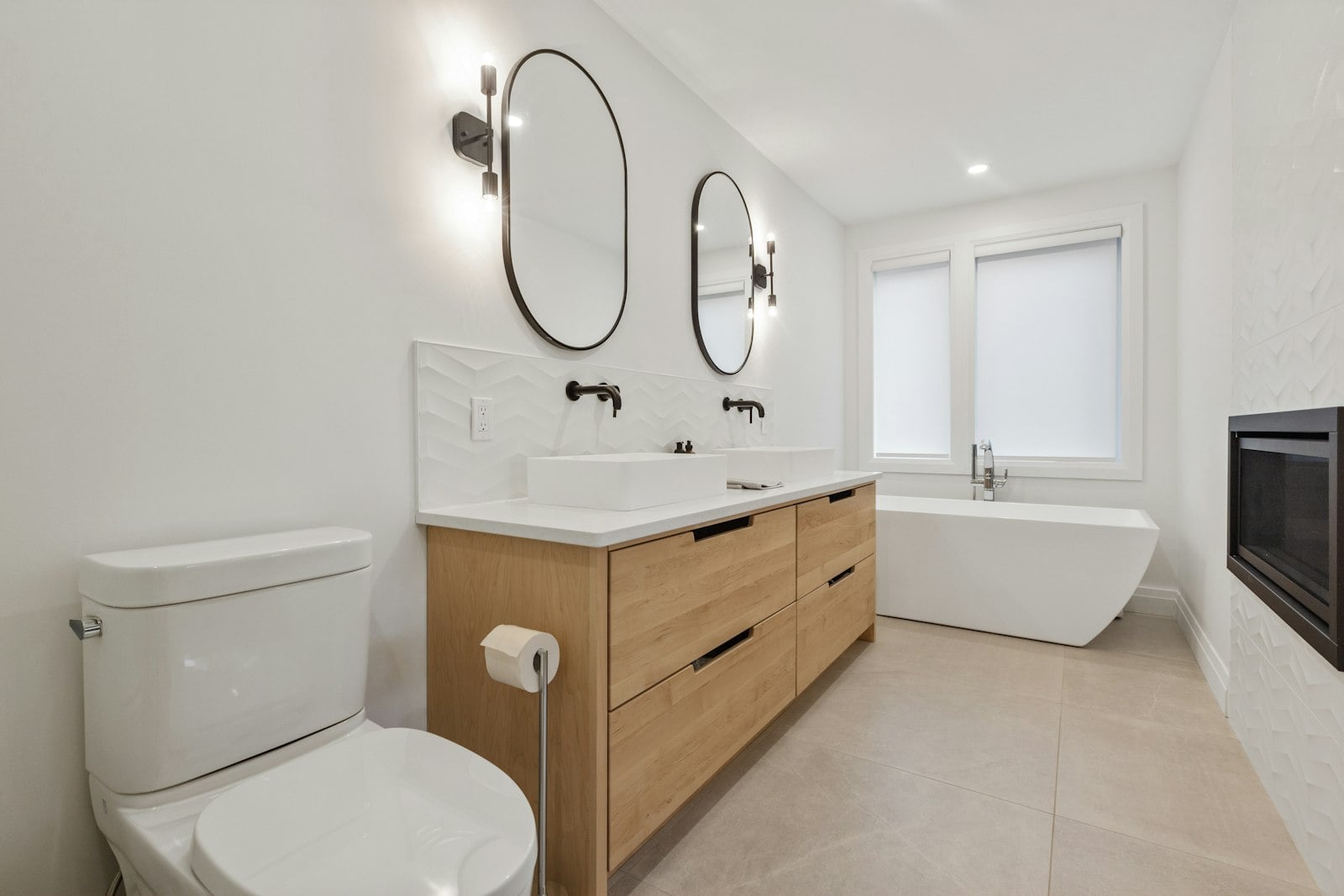
Moisture readings around the tub, the shower surround and the cabinet bases separate growth that wipes off from growth fed by water behind the finish.
Failed caulk, a cracked shower pan, a loose supply connection, a slow drain leak or a toilet flange that has been weeping for months all look the same from the doorway.
Where drywall, backer board or cabinet particleboard is saturated, the area is sealed off and the wet material cut out rather than cleaned and covered up.
The cavity gets dried to a reading before anything is closed back up, because tiling over damp framing is how the same wall comes back a year later.
The habits that matter are unglamorous and they work: run the exhaust fan during the shower and for a while afterwards, leave the door open once you are out, squeegee the walls of a glass enclosure, and replace tired caulk instead of painting over it. Check that the fan actually vents outside rather than into the attic, which is a surprisingly common shortcut and a good way to move the problem upstairs.
Under a kitchen sink, put a light in the cabinet every few months and look at the back corners and the base. Particleboard swells before it stains, so a bulge at the cabinet floor is often the first sign of a slow supply or drain leak.
If the growth keeps coming back, have the wall checked rather than cleaned again: a mold inspection settles it. See how contained removal works if material has to come out, read preventing mold in a humid climate for the everyday routine, or request an inspection. Coverage is listed on the service areas page.
Surface growth on tile, glass, sealed stone or a hard countertop, yes, with the fan on and the window open. Growth on drywall, on a painted ceiling that has gone soft, or inside a cabinet base is a different job and needs the wall checked first.
Either the room never dries between showers or water is getting behind the caulk line. Failed caulk should be cut out and replaced rather than cleaned and painted. If it returns within weeks of a proper replacement, the wall behind it is wet.
Usually it means water has been getting past the pan, the drain connection or the tile for a while. That is a cavity problem rather than a surface one, and the extent needs measuring before anyone opens the ceiling. See what an inspection covers.
Ask before you approve the quote. Remediation ends at clean, dry framing, and tiling, cabinetry and paint may sit in a separate scope. Houston Mold Removal Experts will say plainly which parts of the rebuild are inside the price.
Tell us where the growth is and how often it comes back after cleaning.