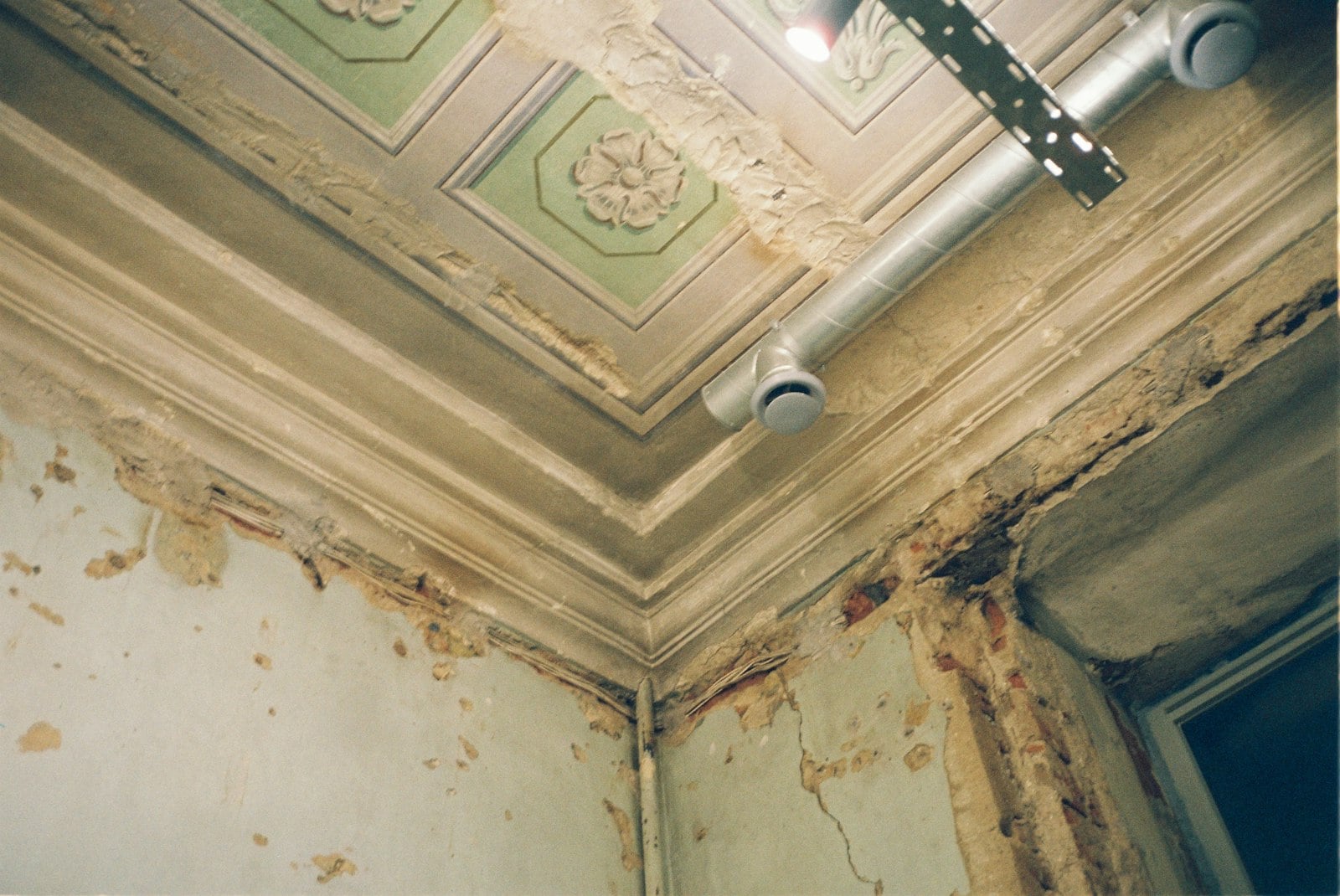
Mold After Water Damage
For houses that took river water and were put back together before the framing behind the drywall was dry.
Mold After Water DamageKingwood is a wooded master-planned community in the far northeast of the city, laid out under tall pines beside the West Fork of the San Jacinto River, which put water into homes in 2017 and again in 2019. Houston Mold Removal Experts inspects what those events left behind and quotes the cleanup in writing.
For houses that took river water and were put back together before the framing behind the drywall was dry.
Mold After Water Damage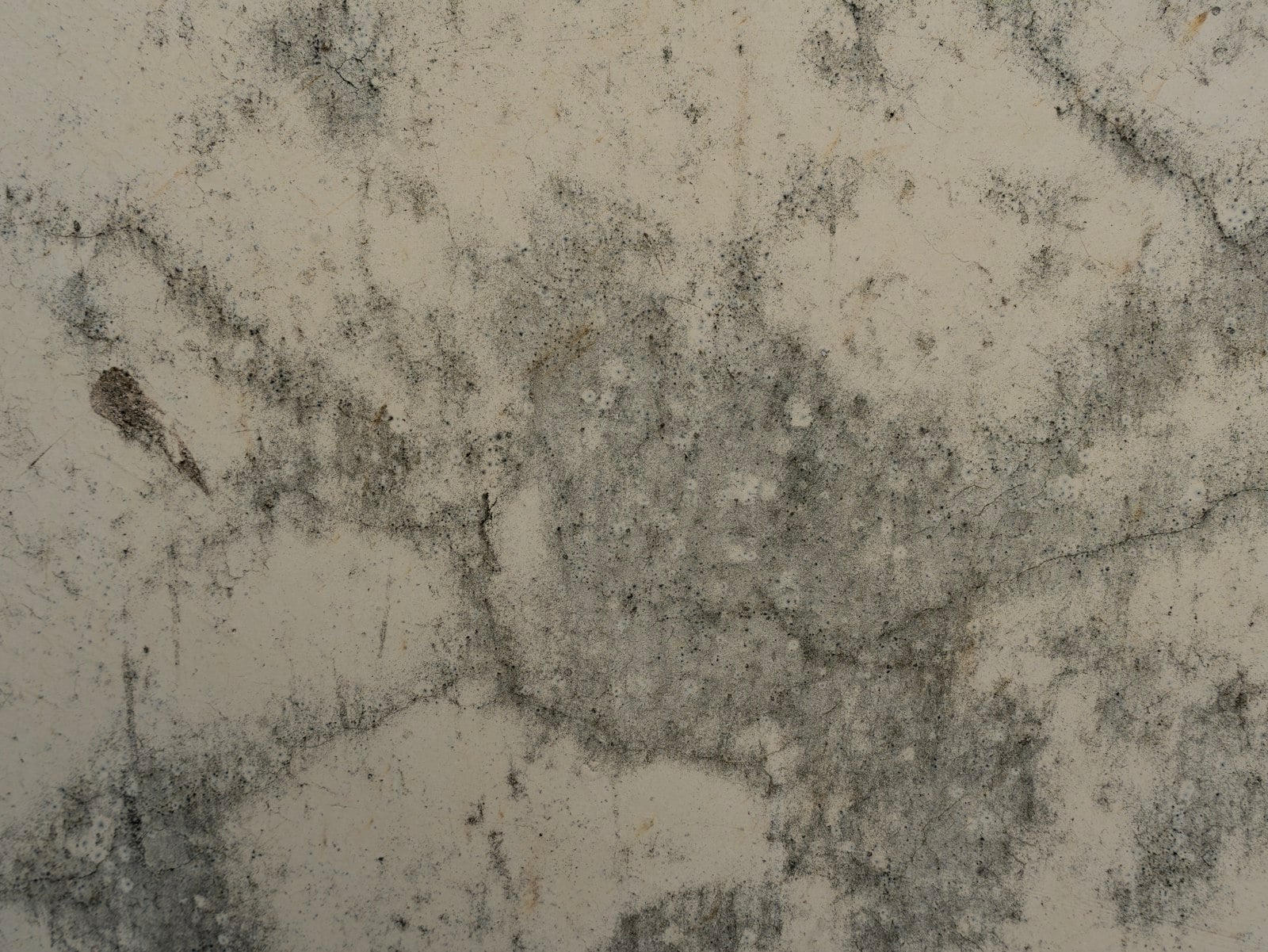
Deep shade keeps roofs damp, and a shaded attic over a humid lot stains its sheathing faster than a sunny one.
Attic Mold Remediation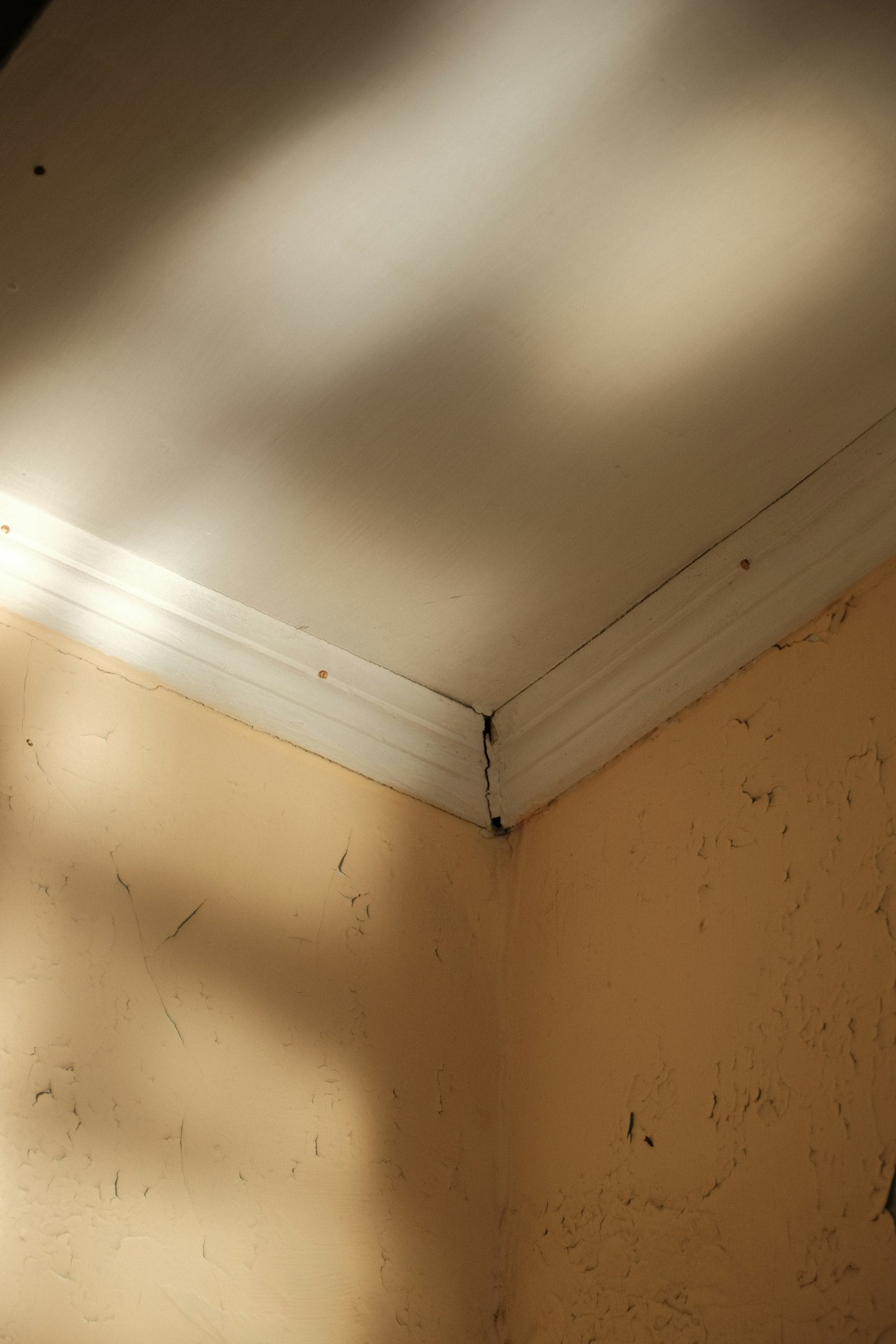
The measured check before the rebuild starts, which matters most in a house that has already been repaired once.
Clearance TestingTwo things shape almost every call here. The first is the river: streets closest to the West Fork and to the creeks and drainage channels that feed it took water in 2017, and a second event two years later reached some of the same properties. The second is the tree canopy. Kingwood was built into the pine forest and kept it, so roofs, siding and shaded north walls dry slowly after rain that a bare lot would shed in an afternoon.
The housing itself runs from the villages laid out in the 1970s through sections added steadily since, all of it slab-on-grade with the air handler and duct work up in the attic. That is the standard pattern for this region, and it decides where growth shows up: a band along the bottom of the drywall after water crosses a floor, and staining around attic duct work where cold supply air meets humid attic air.
2017, 2019, both or neither, how high it came and how long it stood. That sets where the readings start and how far up the wall they go.
Whether anything was dried to a reading and tested before the walls were closed, or whether the rebuild went in as fast as a contractor could be found.
Overhanging limbs, blocked gutters and a shaded side yard that never dries change what we look at outside before we come indoors.
A house that has been rebuilt once is a different inspection from one that has never been wet. New drywall, new baseboard and fresh paint tell you nothing about the framing and insulation behind them, and a wall that was closed while it still read damp will carry on quietly for years. That is why readings through a finished wall come before any talk of opening one.
Compare removal and remediation before you approve a bid, and read what happens in the days after a flood for how the sequence should run. Kingwood and Humble share the same stretch of river, and you can see the rest of the Houston area we cover or go straight to what an inspection includes.
It follows how much material has to come out, how far the wet zone runs and whether putting the room back is in the same scope. Flood jobs almost always run wider than leak jobs. Houston Mold Removal Experts prices it in writing after the inspection, and you approve it before anything is opened. See removal versus remediation.
Houston Mold Removal Experts books inspections across Kingwood and the villages around it, for owners, landlords and buyers in an option period. Send the property address through the service request page and say whether the house has flooded before.
Sometimes, but it is never promised. Inspections are scheduled appointments rather than emergency call-outs, so the earliest window depends on what is already booked that day. You will be told what can realistically be kept.
Often yes, because the work area is sealed off and held under filtered air so the rest of the house stays usable. Mold can irritate, and people with asthma or allergies may react, so tell us who lives there and take any symptoms to a doctor rather than to a contractor.
Hard surfaces such as tile and sealed wood are usually cleaned and kept. Drywall, insulation and carpet pad that have been wet come out, because cleaning porous material is not reliable. Readings mark where the cut line goes.
Very often, yes. If the cavities were still damp when the walls were closed, growth continued inside them and the smell is the only part that reaches you. Readings taken through the finished wall confirm it without anyone cutting into the room first.
Give us the address, the flood history and who can provide access.