Sealed work area
Plastic barriers, sealed doorways and taped-off vents keep the work zone separate from the rooms you are still living in.
Removal done properly is a sealed room, filtered air, material bagged as it comes out and a space dried to a reading afterwards. Houston Mold Removal Experts works in that order so the rest of the house does not end up with the problem.
Cleaning an open room with a brush and a bucket is how a problem in one bedroom becomes a problem on a whole floor. Disturbed growth releases spores, and a closed-up Houston house in August circulates them everywhere through the air conditioning.
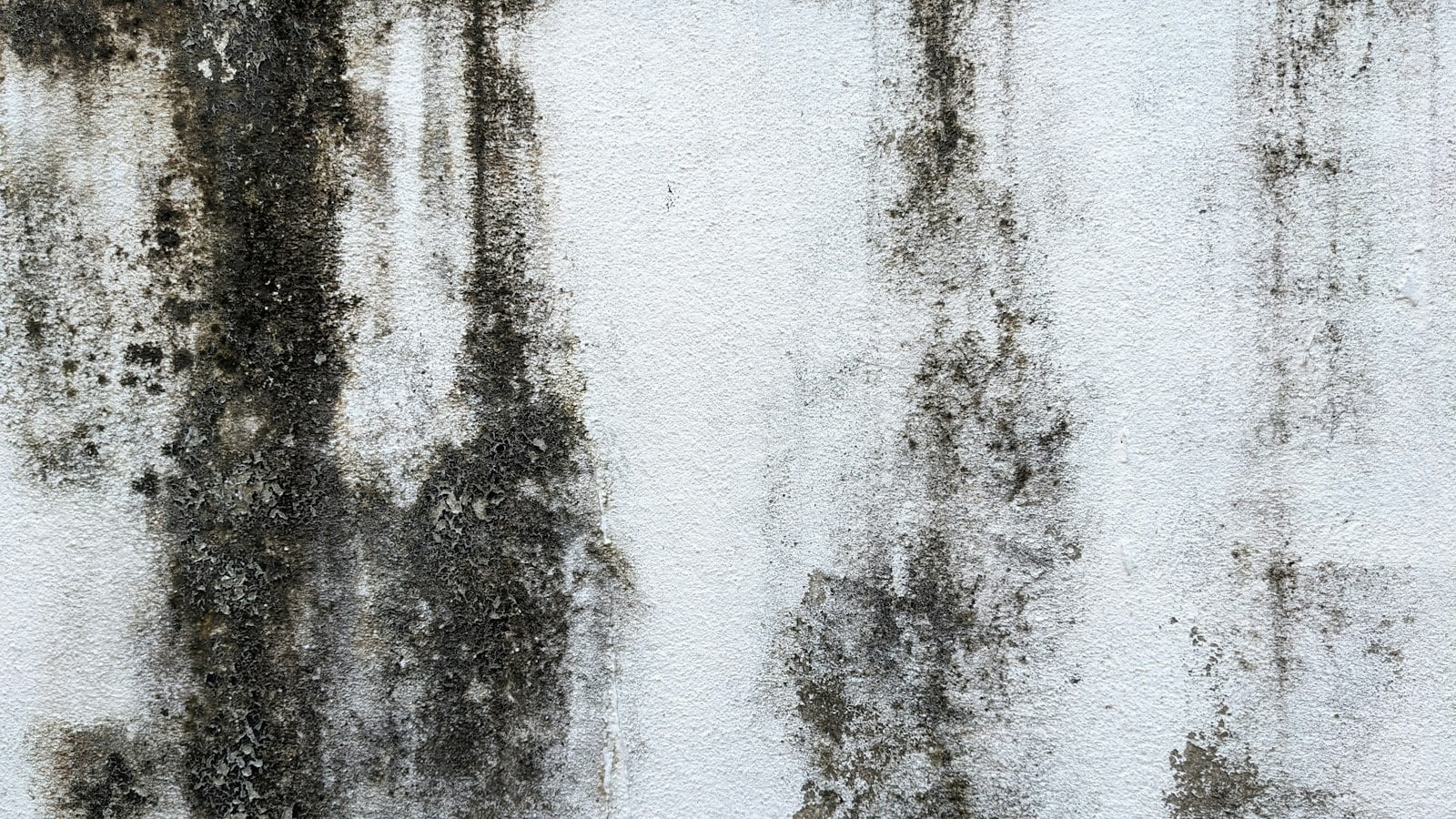
Plastic barriers, sealed doorways and taped-off vents keep the work zone separate from the rooms you are still living in.
Air scrubbers pull air through filters and hold the containment at lower pressure than the rest of the house, so anything airborne stays inside it.
Saturated drywall, insulation and flooring are cut back past the wet line, bagged at the work face and taken out without being carried through clean rooms.
Framing and hard surfaces are cleaned, then equipment runs until the readings say the space is genuinely dry rather than dry to the touch.
Not every job is a tear-out. Hard, non-porous surfaces such as tile, glass, sealed stone and metal can usually be cleaned and kept. Porous material is different: once growth is into drywall paper, insulation, carpet pad or the particleboard base of a vanity, cleaning it is not reliable and it comes out. The inspection is what tells you which of the two you are dealing with.
Remediation normally stops at clean, dry framing. Putting drywall, trim, paint and flooring back may be part of the same quote or a separate job, and that is worth settling in writing before the work starts rather than after. Texas licenses mold assessment and mold remediation, and above the state threshold those two roles belong to separate parties, so ask which license numbers appear on your paperwork.
Start with a mold inspection if nobody has measured anything yet, read removal versus remediation before you compare quotes, and see mold after water damage if a storm or a leak came first. When you are ready, request an inspection or read how the process runs.
How much material has to come out, how hard the area is to reach, how much containment has to be built and whether the rebuild is included. Houston Mold Removal Experts prices the job from the inspection findings and gives you the scope in writing before anything is opened.
Usually yes. Containment is built so the rest of the property stays usable. If the affected area is large or sits in the middle of the house, you will be told that before you approve the scope, not on the morning of the work.
Not on porous material. Bleach lightens what you can see on the surface while the growth stays inside the drywall or the timber, and the water in it can make things worse. Wet material has to come out or be properly dried. See what an inspection covers.
Ask before you sign. Remediation ends at clean, dry framing, and reconstruction is sometimes a separate line or a separate trade. Houston Mold Removal Experts will tell you plainly which parts of the rebuild are inside your quote.
Describe the room, the smell and the leak history and we will plan the visit.