Mapping what is still wet
Readings behind baseboards, inside wall cavities and under flooring show where moisture is still sitting, including rooms nobody thought were affected.
A fast cleanup is not the same as a dry house. When walls go back up over damp framing and insulation, growth carries on out of sight and shows itself weeks later. Houston Mold Removal Experts finds out what is still wet before it is closed up again.
Houston has had plenty of chances to learn this. Harvey in 2017, the Tax Day floods in 2016 and Memorial Day in 2015 all sent water into houses, and Beryl in 2024 took roofs and power at the same time, which meant days of no air conditioning in July. Wet material plus stalled humidity is exactly what growth needs.
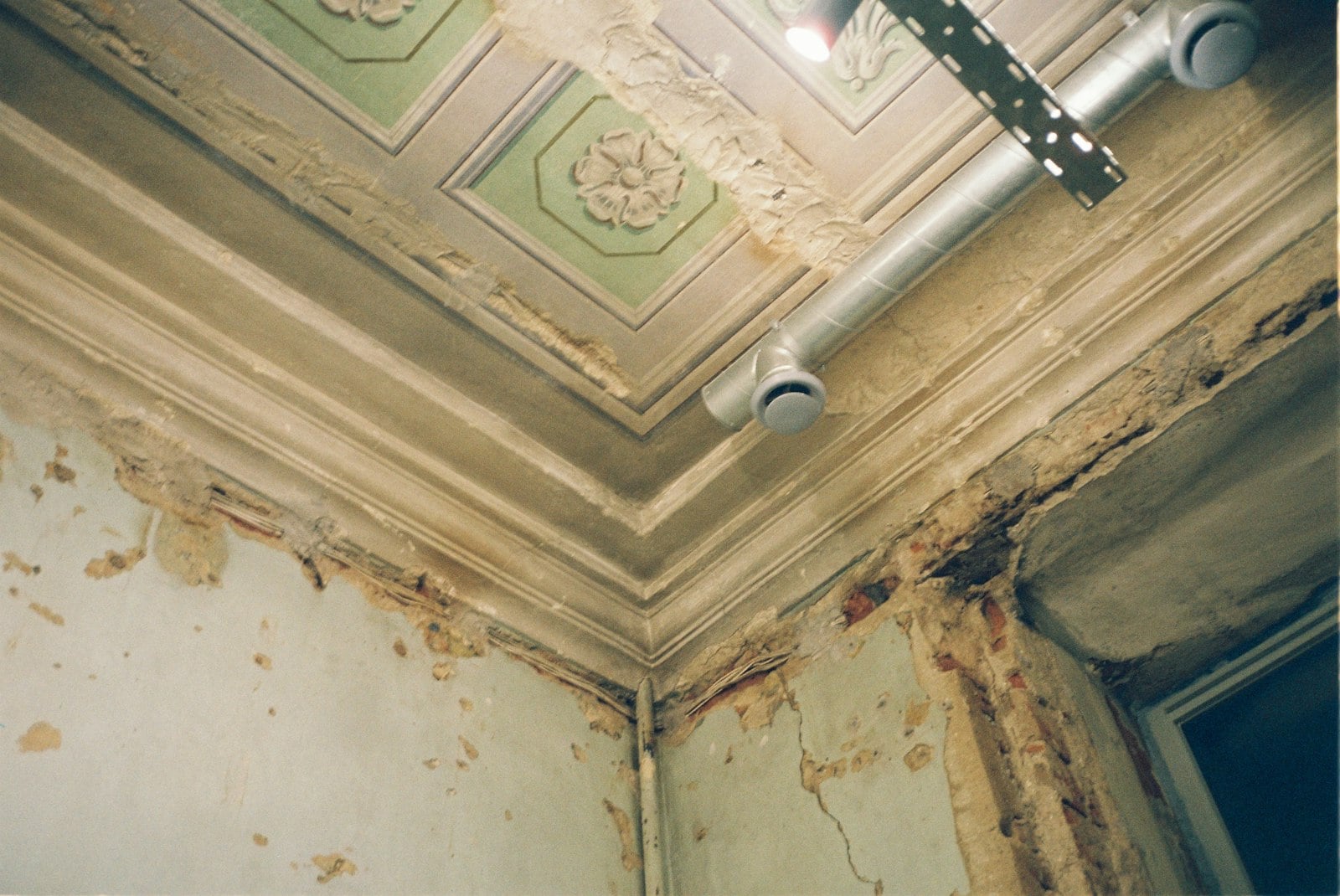
Readings behind baseboards, inside wall cavities and under flooring show where moisture is still sitting, including rooms nobody thought were affected.
Inspection openings are made deliberately and under containment, so a wall is not stripped on a hunch and clean rooms are not contaminated.
Insulation, carpet pad, particleboard and saturated drywall are bagged and taken out. Framing and hard surfaces are cleaned where they are sound.
Findings, photographs and a written scope, which is what an insurer or a landlord will ask for. The claim decision belongs to your insurer, not to a contractor.
If water is still coming in, stop it at the source where you safely can. Keep away from standing water anywhere near outlets, cords or panels, and treat anything backed up from a drain as a health hazard rather than an inconvenience. Photograph everything before you move or discard it, including the material you throw out, because that record is far more useful than a tidy room.
Do not run the air conditioning to dry the place out after a sewage backup or a flood. It pulls contaminated air through the system and distributes it. And do not let a rebuild start while readings are still high, which is the single most common reason a repaired house grows mold three weeks later.
Get the extent measured with a mold inspection, then see how removal and drying are carried out. Compare removal and remediation so the quotes make sense side by side, read what happens in the days after a flood, or request an inspection now.
Growth can begin within a couple of days on wet porous material, and a humid Houston summer shortens that further. Speed of drying matters more than the amount of water, which is why a small leak left alone can be worse than a big one dealt with fast.
Because the finishes went back before the framing and insulation behind them were dry. The smell is the growth continuing inside the cavity. Readings through the repaired wall will confirm it without opening the whole room. See what an inspection covers.
Only your insurer can answer that, and it depends on your policy and how the water got in. What helps is documentation: photographs, the inspection findings and a written scope of work. No contractor can promise a claim outcome.
Not after sewage or floodwater, because the system will move contaminated air through the house. After a clean-water leak it is usually fine and it helps, but say what happened when you call so you get the right answer for your situation.
Tell us when the water came in and what has been done since.