Same containment either way
Dark growth on saturated material is sealed off, worked under filtered air and bagged at the work face. The method does not change while a lab result is pending.
When people say black mold they usually mean Stachybotrys, a dark growth that turns up on material which has stayed wet for a long time. Houston Mold Removal Experts treats dark growth carefully without pretending the color alone tells anyone what it is.
Stachybotrys needs sustained wetness, not a damp weekend, which is why it turns up in houses that flooded and dried slowly. Plenty of harmless-looking growth is also dark, and some Stachybotrys looks greenish rather than black, so appearance is a poor identifier.
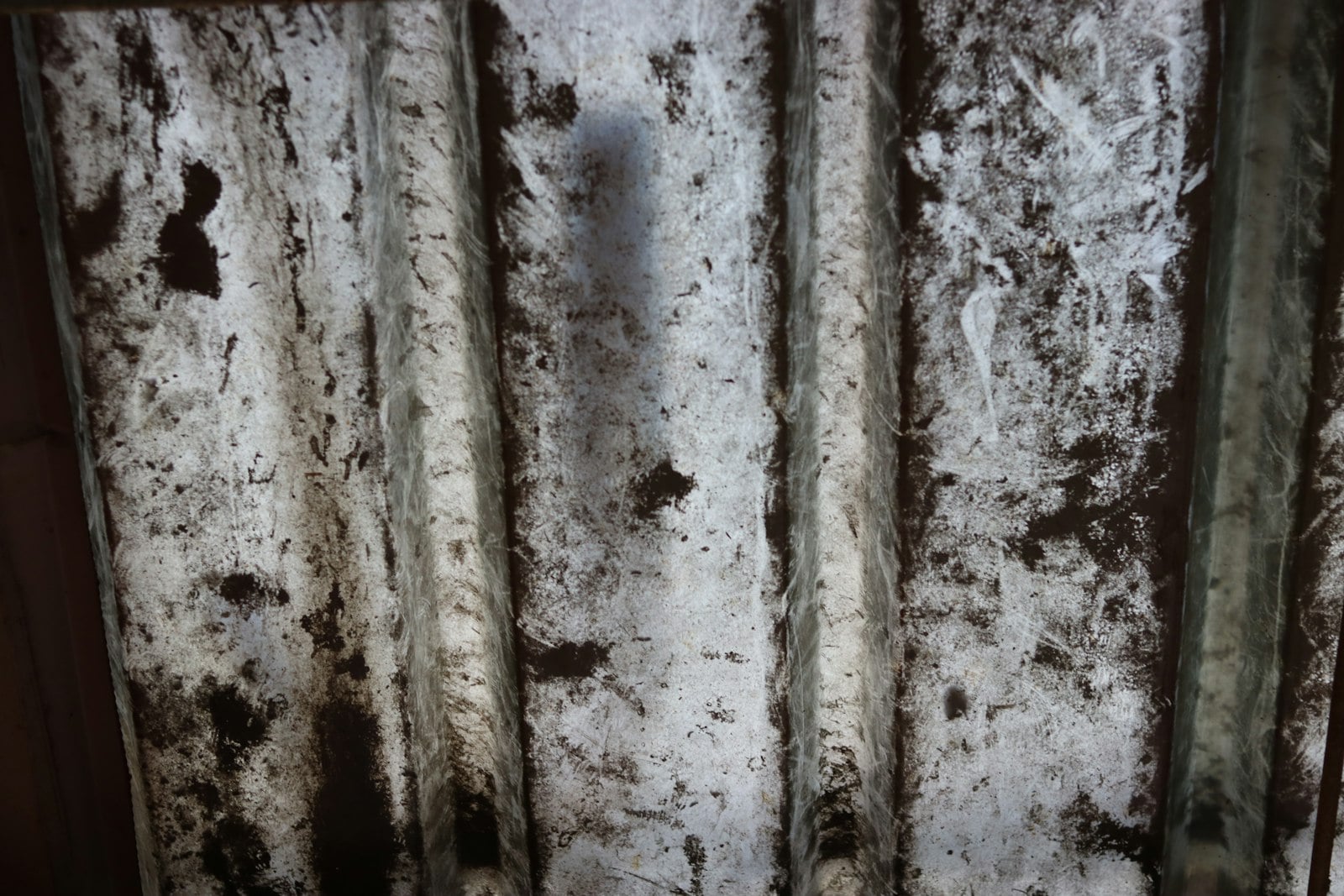
Dark growth on saturated material is sealed off, worked under filtered air and bagged at the work face. The method does not change while a lab result is pending.
How long the material stayed wet tells you more than the color does. A long soak means the growth is likely to run deeper than the stain suggests.
Mold can irritate, and people with asthma or allergies may react to it. Nobody on a remediation crew diagnoses anyone; symptoms are a question for a doctor.
What was found, where, what came out and what was cleaned, written down so you have a record for a landlord, a buyer or an insurer.
Sending a sample to a lab is optional and it is rarely what decides the work. If a wall is visibly growing something and the material behind it is wet, that material comes out whether the report says Stachybotrys, Aspergillus or Cladosporium. Testing is genuinely useful when nothing is visible, when there is a dispute between a tenant and an owner, or when you want before-and-after documentation.
Cost follows the size of the wet area, the access and whether reconstruction is included, so nobody can quote dark growth over the phone. Texas licenses mold assessment and mold remediation, and above the state threshold those two roles must be held by separate parties; ask which license numbers will be on your paperwork.
If you have not had the extent measured, begin with a mold inspection. To see how the cleanup runs, read mold removal and removal versus remediation. Where a storm or a burst line came first, mold after water damage covers it, and you can request an inspection whenever you are ready.
It gets talked about more. In practice any substantial growth on wet material is treated as something to contain and remove. Mold can irritate and people with asthma or allergies may react, so stay out of the room and take health questions to a doctor.
No, and neither can anyone else. Only a lab identifies a species. What an inspector can tell you is how wet the material is and how far the growth runs, which is what actually shapes the job. See what an inspection covers.
Usually not. Keep the door to that room closed, stay out of it, and let containment keep the rest of the house separate during the work. If the affected area is large or central, you will be told before you approve the scope.
Because repairs often close a wall before the framing and insulation behind it are dry. Growth then carries on out of sight and shows at the seams months later. Mold after water damage explains how that happens.
Tell us what the growth looks like and how long the material was wet.