Black Mold: What It Really Means
Two words do more to frighten Houston homeowners than any others. Houston Mold Removal Experts sets out what people actually mean by black mold, what the color does and does not tell you, and how the cleanup gets decided.
- Upfront Quotes
- Inspection & Remediation
- Residential & Commercial
By the Houston Mold Removal Experts team · Updated September 2026
What the Term Actually Refers To
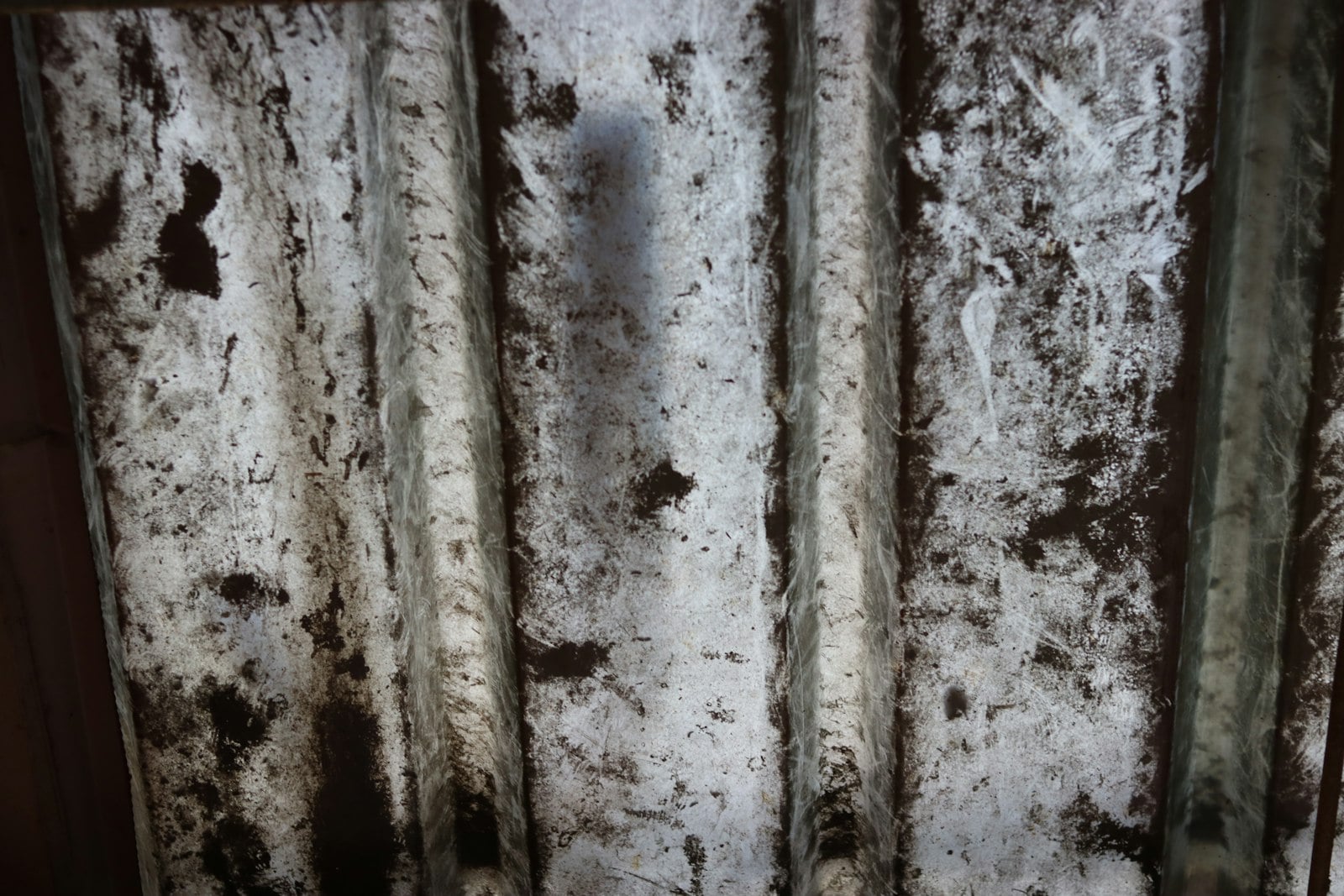
When people say black mold they nearly always mean Stachybotrys, a dark greenish-black growth that turns up on cellulose material — drywall paper, cardboard, timber, insulation facing — that has stayed wet for a sustained period. That last part is the important bit. It is not a species that appears after a damp weekend. It wants material that has been soaked and never properly dried, which is why it shows up in houses that took water and were put back together quickly.
Here is the awkward truth about the name: color is a poor identifier. Plenty of ordinary household growth is dark. Cladosporium can look almost black on a cool window frame. Some Stachybotrys looks more olive or charcoal than black, and under a layer of dust it can read gray. Nobody standing in a hallway, including anybody in this trade, can name a species by looking at it. Only a laboratory can do that.
Why It Rarely Changes the Work
People often assume identification comes first and the plan follows. In practice it is the other way round. If a wall is growing something and the material behind it is wet, that material comes out whatever the report eventually says. The containment is the same, the filtered air is the same, the drying is the same. A lab result does not make wet drywall salvageable.
That is why a decent inspector spends the visit on moisture readings rather than on guessing genus. What changes the scope is how far the wet zone runs, what kind of material is in it and where the water is coming from. Those three answers write the quote. You can see the whole sequence in mold removal and remediation.
When Testing Is Worth Paying For
Testing does earn its place in specific situations. When there is a clear smell but nothing visible, sampling can support a decision to open something up. When a tenant and an owner disagree, or a buyer and a seller are negotiating, an independent report is a document both sides can point at. And when you want a record of conditions before and after the work, a before-and-after pair is more persuasive than a photograph.
What testing will not do is tell you whether your family is ill. Air samples describe air, not people. Mold can irritate, and people with asthma or allergies may react to it, but nobody on a remediation crew is qualified to connect a lab result to a symptom, and you should be wary of anyone who tries. That conversation belongs with a doctor.
How Dark Growth Is Handled
Treat the area as something to leave alone. Keep the door shut, stay out, and resist the urge to clean it before somebody has seen it, because disturbing established growth is the fastest way to move it around a closed-up house. Bleach does not help on porous material: it lightens the surface, leaves the growth inside and adds water to something that is already too wet.
The job itself runs the way any substantial remediation runs. The area is sealed, held under filtered air at lower pressure than the surrounding rooms, and the saturated material is cut back past the wet line, bagged at the work face and taken out. Framing and hard surfaces are cleaned where they are sound, the space is dried to a reading, and you get a written record of what came out. That is all set out in black mold removal.
The Houston Angle
This region gives Stachybotrys exactly the conditions it likes. Harvey in 2017, the Tax Day floods the year before and Memorial Day in 2015 all put water into houses, and Beryl in 2024 combined roof damage with days without power in July, which meant no air conditioning and no drying. Add a humid subtropical climate and slab-on-grade construction that spreads water sideways across a floor, and material stays wet long enough for the slow-growing species to take hold. Streets behind the reservoirs in Memorial are a clear example: water stood for days rather than hours, and a lot of those walls were rebuilt in a hurry.
Arrange an Inspection
If you are looking at dark growth and the material behind it has been wet, the sensible next step is measurement rather than a lab form. Houston Mold Removal Experts can inspect the property, map the moisture and tell you what the scope would cover. Read removal versus remediation so you can compare quotes on the same terms, see what a mold inspection includes, or request an inspection and describe what you have found.