How to Get Rid of Mold in a Houston Bathroom
How to get rid of mold in a bathroom in Houston comes down to two jobs: clean or replace the moldy surface, then fix the moisture that feeds it. Small spots on grout, caulk or paint are usually a careful DIY job. Mold that returns fast, spreads past tile or hides behind walls needs a closer look.
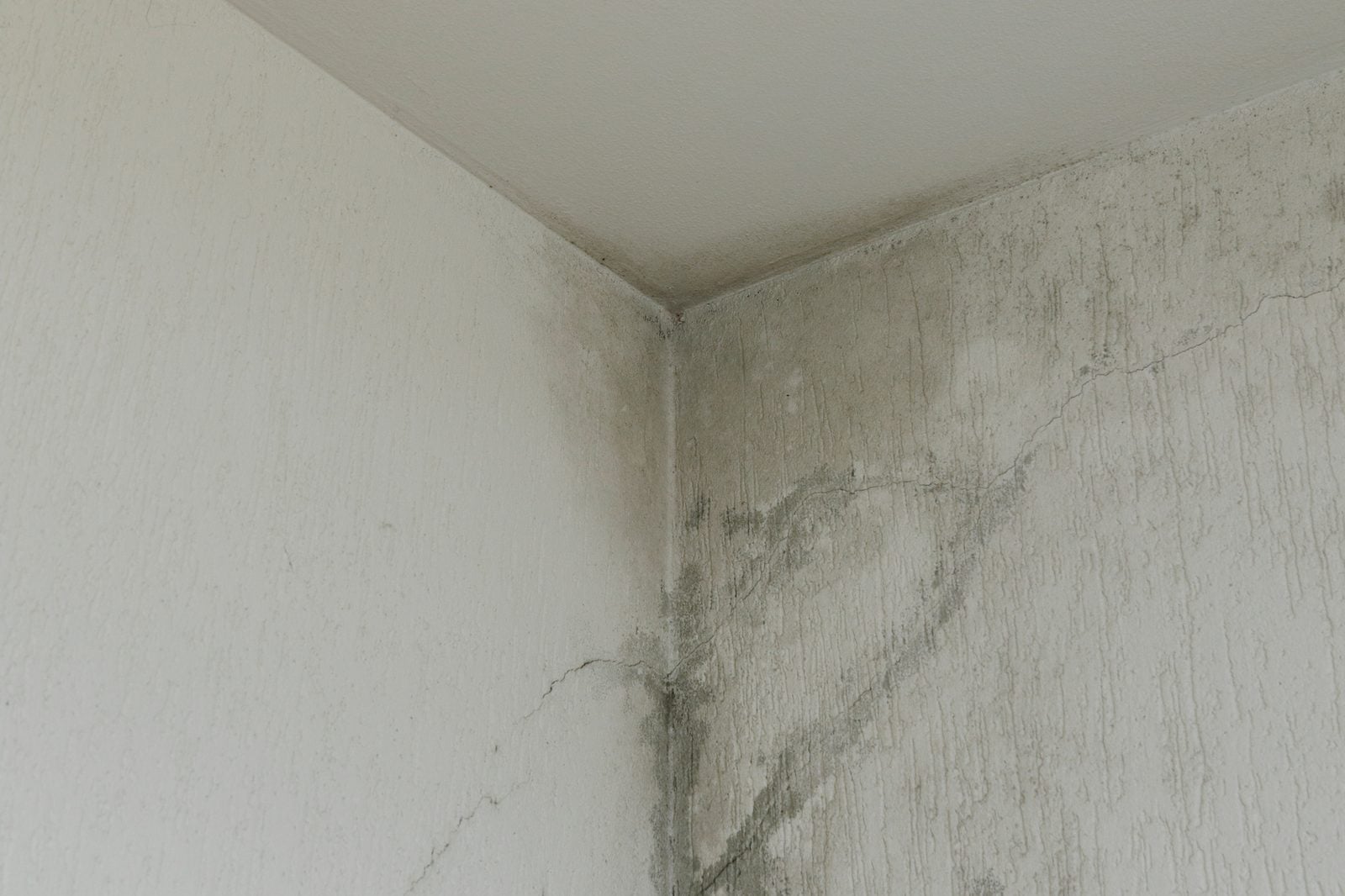
- Bathroom mold almost always traces back to one of four causes: weak ventilation, high indoor humidity, worn grout or caulk, or a hidden leak.
- Mold on smooth tile and grout can often be scrubbed off. Mold that has grown into silicone caulk usually has to be cut out and replaced.
- The Texas Department of Insurance warns that mold can start growing within a day after a leak.
- Painting over bathroom mold traps moisture underneath and the stain often comes back.
- Call for help when growth covers a large area, keeps returning after cleaning, or shows signs of being behind the tile or drywall.
How do you get rid of mold in a bathroom?
To get rid of mold in a Houston bathroom, scrub small surface spots with detergent and water, rinse, dry the area fully, and then fix the reason it grew. Cleaning without fixing ventilation, humidity, caulk or a leak means the spots usually come back.
For a small patch you plan to handle yourself:
- Ventilate. Turn on the exhaust fan and open a window if you have one.
- Protect yourself. Wear gloves, eye protection and a well-fitting mask. Keep children, pets and anyone with asthma or allergies out of the room.
- Never mix cleaners. Bleach combined with ammonia, vinegar or other products gives off dangerous fumes.
- Scrub, rinse, dry. Use a stiff nylon brush on tile and grout, rinse with clean water and wipe dry.
- Bag the waste. Throw away sponges, rags and moldy bath mats you cannot fully clean.
If the mold is on drywall, under peeling paint or near a soft spot in the floor, read the sections below before you scrub. For general cleanup steps outside the bathroom, see how to kill black mold in a Houston home.
Why does mold keep growing in my bathroom?
Mold keeps growing in a bathroom because the room stays damp longer than it dries. Showers add moisture every day, and Houston air is often humid too, so grout, caulk and ceiling paint may never fully dry between uses. Find the cause and the cleaning starts to last.
- Ventilation. A fan that is too small, never run long enough, or vented into the attic leaves steam in the room.
- Humidity. Long hot showers, a closed door and weak air conditioning keep surfaces wet.
- Grout. Once porous grout cracks or loses its seal, water soaks in and mold grows inside it.
- Caulk. Old caulk pulls away from the tub or tile and traps water behind it.
- Leaks. A slow drip from a valve, drain or toilet seal can wet the wall or subfloor out of sight.
If mold returns to the same spot within a few weeks of a good cleaning, assume there is a moisture source you have not found yet.
Is your bathroom exhaust fan really removing moisture?
Many Houston bathroom fans run but move very little air, one of the most common reasons bathroom mold comes back. A quick check: with the fan on, hold a square of toilet tissue near the grille. If the fan does not pull it up and hold it, the fan is weak, blocked or poorly vented.
Other signs include a mirror that stays fogged long after a shower, peeling ceiling paint, and mold forming first in the corners above the tub. Clean the grille, run the fan during every shower and for a while after, and leave the door open when the room is not in use.
Also ask where the fan sends the air. A fan that dumps moist air into the attic can move the problem upstairs. If you see dark staining above the bathroom ceiling, read about attic mold remediation.
Need help now? Call to be connected with a local provider in Houston who can check availability for your address.
How do you get mold out of shower grout?
Surface mold on shower grout usually comes out with a stiff nylon grout brush, a bathroom cleaner and patient scrubbing. If dark spots remain after several cleanings, the mold has grown down into the grout, and regrouting or sealing is the lasting fix.
Work in small sections, let the cleaner sit as the label directs, scrub along the lines, rinse and dry. Skip wire brushes, which gouge grout. Once the grout is clean and fully dry, apply a penetrating grout sealer so water beads up instead of soaking in.
Grout that is crumbling, missing or soft lets water reach the backer board behind the tile. That is a sign to look deeper, not to scrub harder.
Can you clean mold off caulk, or does it need replacing?
Mold on the surface of caulk can sometimes be wiped off, but black spots that stay after cleaning are inside the caulk, and the reliable fix is to cut it out and replace it. Caulking over moldy caulk seals the growth in place.
- Cut out the old caulk with a plastic scraper or utility knife.
- Clean the joint and look for mold or soft material underneath.
- Let the joint dry completely, since caulk over damp surfaces fails early.
- Apply a fresh bead of mildew-resistant silicone caulk made for baths and let it cure before using the shower.
If you find dark staining, wet wood or crumbling backer board behind the old caulk, water has been getting past the seal for a while. That is a good time to call.
What should you do about mold on the bathroom ceiling or walls?
Small mold spots on painted bathroom ceilings and walls can usually be cleaned with a damp cloth and detergent, then dried. If the paint is bubbling, the drywall feels soft, or the stain comes back through fresh paint, the moisture is likely inside the wall or coming from above.
Ceiling mold over the shower is often a ventilation sign: warm, wet air rises and condenses on the ceiling. Mold in a ring or stain shape, or on a wall shared with a shower, points more toward a leak. Do not paint over mold. Clean it, fix the cause, and repaint once dry.
If mold has grown into drywall, scrubbing will not reach it, and the section usually needs to be removed. Cutting moldy drywall can spread spores, so many people bring in help at this point.
What signs mean the mold is behind the tile or wall?
Mold behind tile or drywall is likely when you see loose or hollow-sounding tiles, crumbling grout, soft floor spots near the tub or toilet, or a musty smell that stays after cleaning. These signs point to water getting past the surface for some time.
- Peeling paint or a stain on the other side of the shower wall
- Swollen or stained baseboards
- Mold that comes back in days, not weeks
Hidden mold is hard to judge from outside. A mold inspection uses moisture readings to show how far the problem reaches before anything is opened up.
When should you call instead of cleaning bathroom mold yourself?
Call when the moldy area is larger than about 10 square feet, when mold keeps returning after you fix the fan and caulk, or when you see signs of mold behind tile, drywall or flooring. The EPA uses roughly 10 square feet as a general line for what a careful person may clean alone.
It is also wise to call if anyone in the home has asthma or allergies, if the bathroom flooded, or if you are selling and need documented work. Calling connects you with a local provider who can inspect the room and explain your options. See also bathroom mold removal in Houston.
What happens during the visit?
When you call and are connected with a local provider, the visit starts with an inspection of the bathroom and the moisture behind the mold. The provider looks at the grout, caulk, ceiling, fan and nearby walls, and may take moisture readings to check for hidden water.
Next, the provider explains what they found and walks you through your options, from cleaning and resealing to removing damaged drywall or tile. You get a written quote before any work begins. Texas mold rules do not let the same company do both the mold assessment and the mold remediation on one project, so larger jobs may involve two separate companies. Take time to ask questions before you agree to anything.
Why do Houston bathrooms grow mold so easily?
Houston bathrooms fight moisture from both sides: daily showers inside and humid Gulf Coast air outside. Homes from Sugar Land and Pearland to Kingwood and Clear Lake deal with the same pattern. A few public facts help explain it:
- Rain. Houston Intercontinental's 1991-2020 normal annual rainfall is 51.84 inches, according to the National Weather Service.
- Storm season. The Atlantic hurricane season runs from June 1 to November 30. Roof leaks can wet bathroom ceilings.
- Speed. The Texas Department of Insurance warns that mold can start growing within a day after a leak.
- Hard water. Houston's main water system reported total hardness of 43.5 to 229 ppm as calcium carbonate in 2025, with an average of 135.5 ppm. Mineral film and soap scum give mold more to cling to.
- Rules. The Texas Department of Licensing and Regulation (TDLR) regulates mold assessment and mold remediation businesses. Texas rules allow a homeowner to clean up mold in their own home.
Suburbs such as Sugar Land and Pearland have their own water utilities, so water hardness can differ there. For tips that apply to the whole house, see preventing mold in humid Houston homes, or visit our Pearland mold remediation page.
Related pages
Questions people ask
What is the easiest way to get rid of mold in a bathroom?
For small spots, scrub with detergent and water, rinse and dry the surface. Then run the exhaust fan longer after showers so the mold does not return.
How do I get rid of mold in my bathroom for good?
Fix the moisture, not just the spots. That means a fan that vents outside, sealed grout, fresh caulk and no hidden leaks. Cleaning alone only buys time.
Why does mold keep coming back in my shower even after I clean it?
It usually means the grout or caulk is holding water, or the room never fully dries. Spots that return in the same place are often growing inside the caulk or grout.
Can I use bleach to clean mold in my bathroom?
Bleach can lighten stains on hard surfaces, but it is not required and does not fix the cause. The EPA generally points to detergent and water. Never mix bleach with ammonia, vinegar or other cleaners.
How do I get black mold out of my shower caulk?
Black spots that stay after cleaning are usually inside the caulk, so cut it out and replace it. Dry the joint fully before applying new mildew-resistant silicone caulk.
Can I paint over mold on my bathroom ceiling?
No. Paint traps moisture underneath, and the stain often shows through again. Clean the mold, fix the cause, let it dry and then repaint.
Why is there mold on my bathroom ceiling but not the walls?
Ceiling mold is usually a ventilation sign, because warm, wet air rises and condenses there. A stain-shaped patch can also point to a leak from above.
How long should I run my bathroom fan after a shower to prevent mold?
Run it during the shower and until the mirror and walls are clear. A timer switch keeps the fan running after you leave the room.
Does a dehumidifier help with bathroom mold in Houston?
Yes, a dehumidifier can help a Houston bathroom dry faster, especially one without a window or a strong fan. Use it alongside a working fan, not in place of fixing leaks.
How do I know if there is mold behind my shower tile?
Loose or hollow tiles, crumbling grout, soft floor spots and a musty smell that stays after cleaning all suggest it. A mold inspection with moisture readings can confirm it.
Is bathroom mold dangerous to breathe?
Public health agencies say mold can bother some people, especially those with asthma or allergies, so it should be cleaned up. This page does not diagnose illness. Talk to a doctor about any symptoms.
Can I clean bathroom mold myself in Texas?
Yes. Texas rules allow a homeowner to clean up mold in their own home. Still wear protective gear and call for help when the area is large or behind walls.
How much bathroom mold is too much to clean on my own?
The EPA uses about 10 square feet as a general line. Past that, or when mold is inside walls or keeps returning, it makes sense to call.
Why does my Houston bathroom smell musty even when it looks clean?
A musty smell with no visible mold can mean growth inside the wall, under the floor or in the attic above. Have it checked if the smell stays after airing out the room.
Can a leaking toilet cause mold in my bathroom floor?
Yes. A worn wax seal or slow supply line drip can wet the subfloor out of sight. Watch for a soft floor near the toilet, stained grout or a musty smell.
How do I get connected with someone to remove bathroom mold in Houston?
Call the number on this page to be connected with a local provider. They can inspect the bathroom, explain your options and give you a written quote before work begins.
Talk to someone about your mold problem
Call to be connected with a local provider who can check availability for your address and explain the next step.