How to Kill Black Mold in a Houston Home
Learning how to kill black mold in a Houston home starts with stopping the moisture that feeds it, then scrubbing small patches on hard surfaces with detergent and water and drying them fully. Soaked drywall, carpet and insulation usually need removal, and large, hidden or recurring growth is a job for a licensed Texas professional.
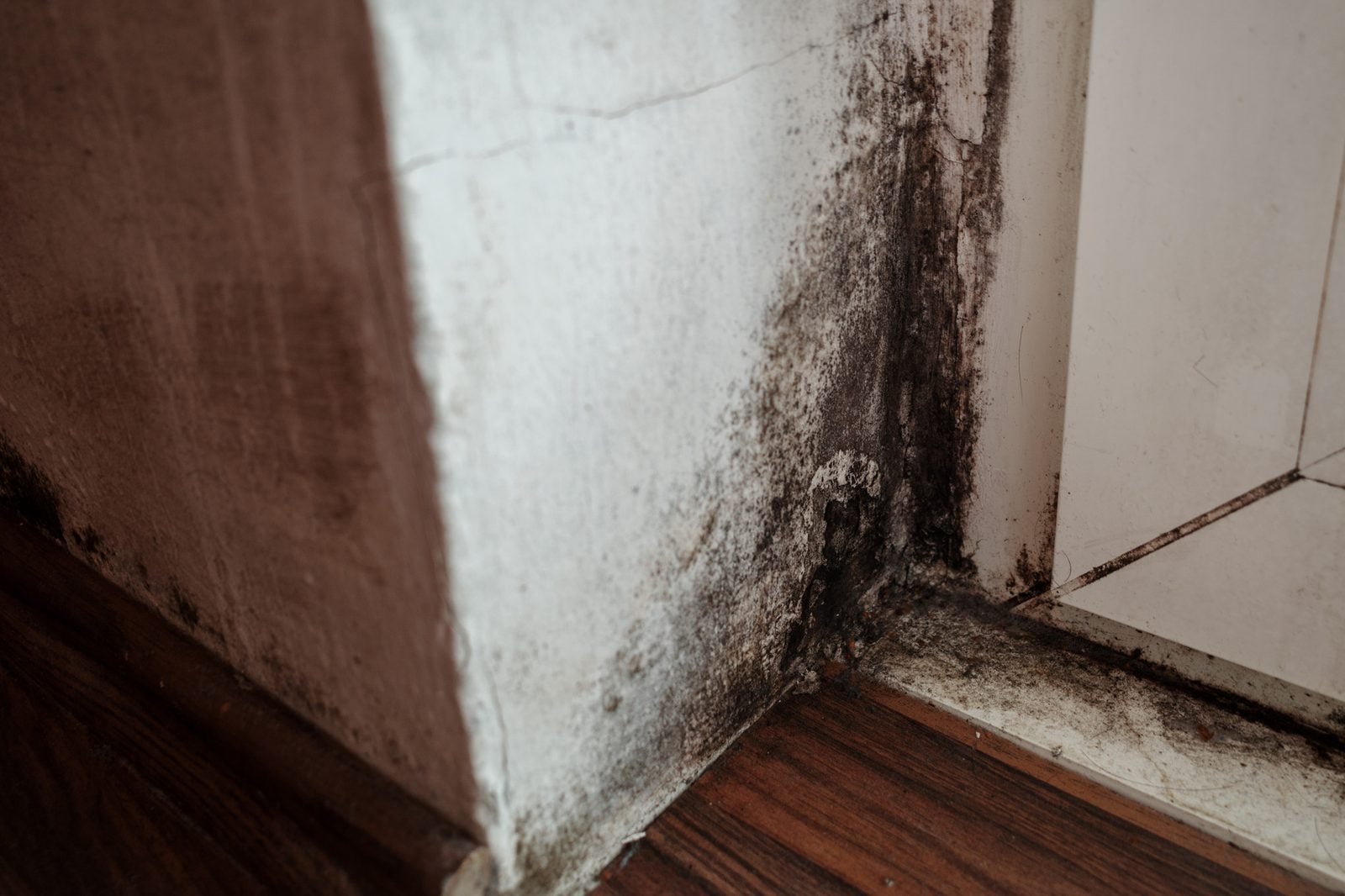
- Mold color does not tell you how risky it is. Public health agencies advise removing any indoor mold the same way.
- Killing mold without fixing the leak or humidity behind it means it will grow back.
- The EPA suggests a small, hands-on cleanup only for patches under about 10 square feet.
- A Texas homeowner can clean mold in their own home without a license, per TDLR.
- TDI warns that mold can start growing within a day after a leak.
What to do first
- Find and stop the water source: a leak, a dripping AC line, a wet crawlspace or high indoor humidity.
- Keep children, pets and anyone with asthma or allergies away from the moldy area.
- Do not dry-brush, sand or blow fans directly at the growth, which can spread spores.
- Never mix bleach with ammonia or other cleaners.
- Take photos of the growth and any water damage before you clean.
- If the patch is large, keeps coming back or you smell mold you cannot see, call to be connected with a local provider.
How to kill black mold safely at home
For small patches in a Houston home, the safe approach is to fix the moisture problem first, then scrub mold off hard surfaces with detergent and water and dry the area completely. The goal is removal, not just killing it, because dead mold can still cause allergy symptoms, according to EPA guidance.
Wear gloves, eye protection and an N-95 mask while you work. Open a window if you can, and keep the door to the room closed so dust does not travel. Bag the rags and sponges you used and throw them out. Then check the spot over the next few weeks. If it returns, the moisture source is still active.
Is black mold more dangerous than other mold?
Not because of its color. The CDC says you do not need to identify the type of mold before removing it, and all indoor mold should be treated the same way: removed and kept from coming back. Many common molds look black or dark green.
Mold can trigger stuffy noses, wheezing and itchy eyes in sensitive people, and people with asthma or weak immune systems may react more strongly, per public health agencies. This page does not diagnose illness. If you have symptoms, talk with your doctor. For more background, read our guide Black Mold: What You Need to Know.
Does bleach kill black mold?
Bleach can lighten and kill surface mold on hard, non-porous surfaces like tile and glass, but it is not the first tool the EPA recommends, and it does not soak into drywall or wood where roots can hide. The EPA generally favors detergent and water for cleanup.
If you do use bleach, dilute it, ventilate the room and never mix it with ammonia or other cleaners, which can create toxic fumes. Vinegar and hydrogen peroxide are popular home options for small spots, but no spray fixes a wet wall. Moisture control is what keeps mold away.
Need help now? Call to be connected with a local provider in Houston who can check availability for your address.
How to get rid of black mold on walls
To get rid of black mold on walls, first decide what the wall is made of. Painted, sealed drywall with a small surface spot can often be wiped with detergent and water, then dried. If the drywall is soft, stained through, peeling or was soaked by a leak, the mold is likely inside the paper and gypsum, and that section usually needs to be cut out and replaced.
Black spots along a ceiling corner or exterior wall often point to condensation or a roof or window leak. Spots near the floor can mean a plumbing leak or water that wicked up after a flood. A musty smell with no visible growth may mean mold behind the wall, which a mold inspection can help locate.
Where does black mold grow in Houston homes?
In Houston, black mold tends to grow wherever warm, humid air meets a cool or wet surface. Common spots include bathroom ceilings and grout, under kitchen and bathroom sinks, around windows, inside air handlers and closets near the AC, attics with poor ventilation, and baseboards after a leak or storm water.
Bathrooms are the most frequent DIY cleanup, and our page on bathroom and kitchen mold removal covers those rooms in more detail. Mold inside ductwork or on AC coils is different: cleaning it yourself can spread spores through the house.
When should you not try to kill black mold yourself?
Skip the DIY approach when the growth covers more than about 10 square feet, follows flooding or sewage water, sits inside walls, ducts or the attic, or keeps returning after cleaning. The EPA also advises extra caution for anyone with asthma, allergies or a weakened immune system.
In those cases, the moisture source and the hidden extent of the damage matter more than the visible spot. A professional assessment can map where moisture went, and remediation crews use containment so spores do not spread to clean rooms. See mold after water damage if a leak or flood started the problem.
How do you keep black mold from coming back?
Black mold comes back when moisture comes back, so prevention in Houston means controlling water and humidity. Fix leaks quickly, run bathroom fans during and after showers, keep gutters and AC drain lines clear, and dry wet areas as soon as possible.
The EPA suggests keeping indoor humidity below 60 percent, ideally between 30 and 50 percent. A simple hygrometer helps you track it. Keep the AC running during humid months, and consider a dehumidifier for closed-up rooms. Our guide to preventing mold in humid homes has a fuller checklist.
What happens during the visit?
When you call and are connected with a local provider, the visit usually starts with an inspection of the moldy area and the likely moisture source. The provider explains what they found, walks you through your options and gives a written quote before any work begins.
In Texas, a mold assessment and mold remediation on the same project cannot be done by the same licensee, so you may work with two separate companies. Ask questions, check licenses and take time to compare options before you agree to anything.
Black mold risks for Houston, Pearland and Kingwood homes
Houston's climate and flood history make mold a regular concern from Sugar Land and Pearland to Kingwood, Humble and Clear Lake.
- Rain. Houston Intercontinental's 1991-2020 normal annual rainfall is 51.84 inches, according to the National Weather Service.
- Floods. The Harris County Flood Control District says a major flood occurs somewhere in Harris County about every two years, and flooding can happen outside mapped floodplains.
- Storm season. The Atlantic hurricane season runs from June 1 to November 30, so leaks and storm water are common in late summer and fall.
- Speed. The Texas Department of Insurance warns that mold can start growing within a day after a leak.
- Rules. The Texas Department of Licensing and Regulation (TDLR) says a homeowner can clean up mold in their own home without a license. Hired mold assessment and remediation work must be done by TDLR-licensed companies unless an exemption applies.
Anyone can check a Texas mold license with the TDLR license search on the agency website.
Related pages
Questions people ask
Can you explain how to kill black mold in my Houston house myself?
Stop the moisture source, then scrub small patches on hard surfaces with detergent and water and dry them fully. Wear gloves, goggles and an N-95 mask, and toss soaked porous items. Larger or hidden growth needs a professional.
What kills black mold permanently?
No product kills mold permanently if the area stays damp. Removing the growth and fixing the leak or humidity behind it is what keeps it from returning.
Is vinegar or bleach better for killing black mold?
Neither is a full fix. The EPA generally recommends detergent and water, bleach only works on the surface of hard materials, and vinegar is a mild option for small spots.
Can I just paint over black mold on my wall?
No. Paint traps the mold and moisture underneath, and it often shows through again. Clean or remove the affected material and fix the moisture first.
How do I get rid of black mold on walls without damaging the drywall?
For a small surface spot on painted drywall, wipe gently with a damp cloth and mild detergent, then dry it quickly. If the drywall is soft or stained through, that section usually needs to be replaced.
Is black mold in my bathroom dangerous?
Small patches on grout or caulk are common and can usually be cleaned. Public health agencies say mold can irritate sensitive people, so clean it promptly and improve ventilation. Ask your doctor about any symptoms.
Should I test the mold before I clean it?
Usually not for small visible patches. The CDC says you do not need to know the mold type before removing it. Testing helps more when you suspect hidden growth or need documentation.
How big of a mold problem can I clean up on my own?
The EPA suggests patches under about 10 square feet, roughly a 3-foot by 3-foot area, may be handled by a careful homeowner. Larger areas call for professional help.
Do I need a license to remove mold from my own home in Texas?
No. TDLR says a homeowner can clean up mold in their own home without a license. Companies you hire generally must be licensed by TDLR unless an exemption applies.
Why does black mold keep coming back in my Houston home?
It returns because moisture is still present. Look for slow leaks, condensation, a clogged AC drain line or indoor humidity above 60 percent.
Can black mold grow inside my air ducts?
Yes, mold can grow on AC coils and in ductwork where condensation collects. Do not try to spray or scrub inside ducts yourself; call to be connected with a local provider who handles HVAC mold.
What should I wear when cleaning black mold?
Wear an N-95 mask, non-vented goggles and long rubber or nitrile gloves. Wear clothes you can wash right away.
Should I throw away things with black mold on them?
Porous items that stayed wet, like carpet pads, ceiling tiles, mattresses and upholstery, are usually thrown out. Hard items like glass, metal and plastic can often be cleaned.
Does a dehumidifier kill black mold?
A dehumidifier does not kill existing mold, but lowering humidity helps keep it from spreading or returning. Clean the growth first, then control the moisture.
How fast can mold grow after a leak in Houston?
Fast. The Texas Department of Insurance warns that mold can start growing within a day after a leak, so stop the water and dry the area right away.
Will my homeowners insurance pay to remove black mold?
It depends on your policy. TDI says mold on an item damaged in a covered loss may be covered, but mold from a flood is not, and many policies exclude mold cleanup. Check your policy and document everything.
What does black mold smell like?
Most people describe a musty, earthy odor. A strong musty smell with no visible growth can point to mold behind walls, under floors or in the attic.
Can I stay in my house while black mold is being removed?
For small cleanups, most people stay home and keep the work area closed off. For larger projects, ask the provider how containment works and whether any rooms should be avoided.
How do I find someone to remove black mold near me in Houston?
Call to be connected with a local provider who serves your part of Houston. You can confirm any Texas mold license with the TDLR license search.
Talk to someone about your mold problem
Call to be connected with a local provider who can check availability for your address and explain the next step.