Crawl Space Mold Remediation in Houston Homes
Crawl space mold remediation in Houston usually means older pier-and-beam homes, like many in the Heights, where damp air and wet soil sit under the floor. The fix starts with finding the moisture source, then removing growth from joists and subfloor. Call to be connected with a local provider who can inspect first.
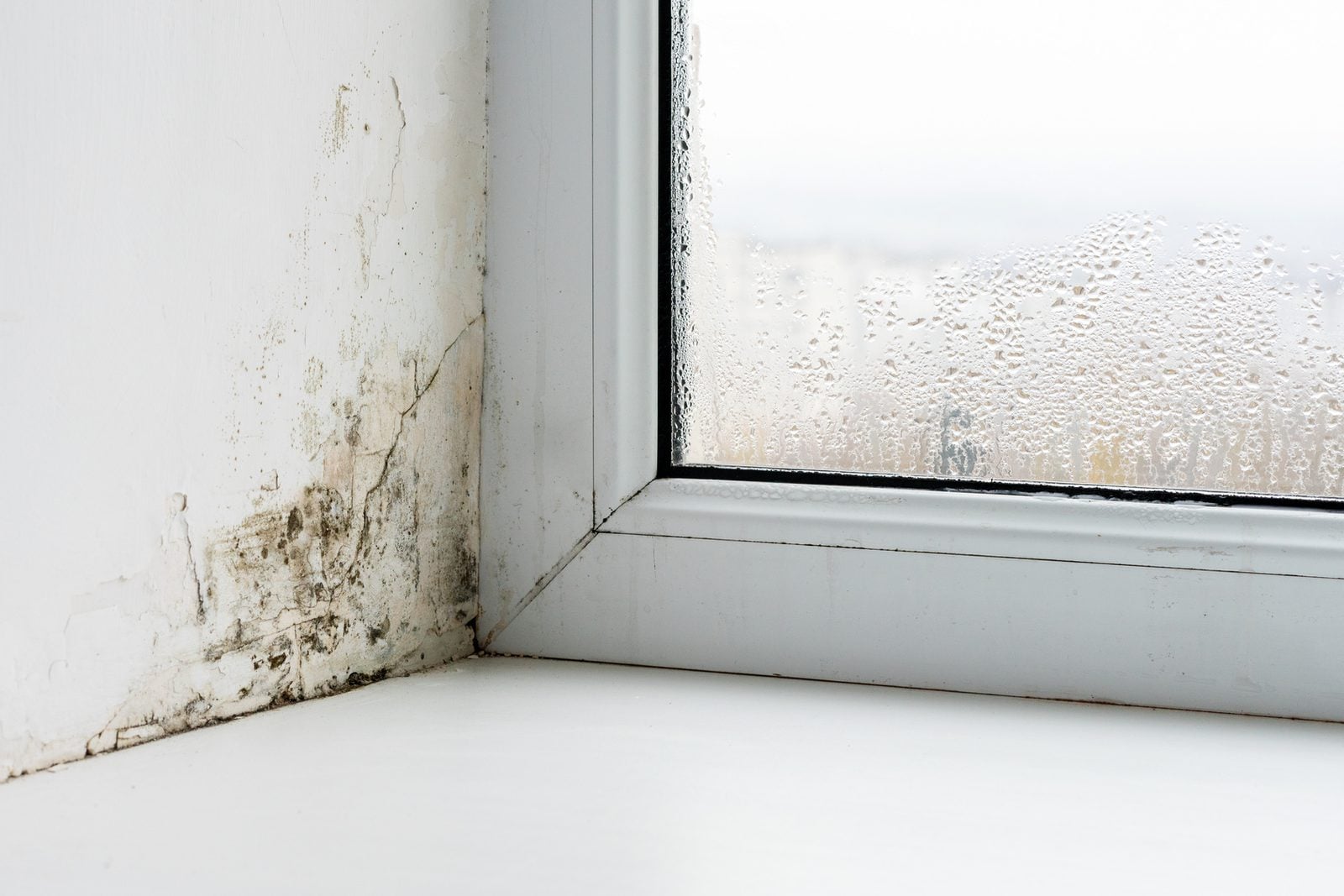
- Most houses in the Houston Heights historic districts were built on pier-and-beam foundations, according to the City of Houston.
- Nearly all new homes in Texas and nearby states sit on slabs, so crawl spaces are mostly an older-home issue.
- The Texas Department of Insurance warns that mold can start growing within a day after a leak.
- In Texas, mold assessment and mold remediation work is regulated by the Texas Department of Licensing and Regulation (TDLR).
- Texas rules do not let one licensee do both the mold assessment and the mold remediation on the same project.
What is crawl space mold remediation in a Houston pier-and-beam home?
Crawl space mold remediation in a Houston pier-and-beam home is the work of fixing the moisture under the house and then cleaning or removing mold from the floor joists, beams, subfloor and insulation. The goal is a dry crawl space where growth does not come back.
Pier-and-beam houses sit on posts above the ground, with a short open space underneath. In Houston it also holds a lot of humid air, and in many older homes the ground below is bare soil that stays damp after rain.
What are the signs of mold in a crawl space?
The most common signs of crawl space mold are a musty smell in the house, soft or springy floors, and dark or fuzzy growth on the wood under the floor. Air from the crawl space rises into the rooms above.
- Musty odor that is strongest near floor vents or in closets.
- White, gray or black spots on joists and the underside of the subfloor.
- Damp or sagging insulation hanging between joists.
- Standing water or wet soil under the house after storms.
Not every stain is active mold. Old water marks and wood darkening can look alike. Our guide to signs of hidden mold covers more clues.
Why do older Houston homes get crawl space mold?
Older Houston homes get crawl space mold because the space under the floor stays humid and often gets wet. Rain, poor drainage, plumbing leaks and sweating ducts all add water, and the wood has time to stay damp.
Common causes include:
- Poor drainage. Water that runs toward the house can pool under it.
- Plumbing leaks. A slow drip from a drain or supply line can soak the subfloor for weeks.
- Duct condensation. Cold AC ducts in a warm crawl space can drip.
- Blocked vents or skirting. Air that cannot move lets moisture build up.
Cleaning the wood without fixing the cause usually means the mold returns.
Need help now? Call to be connected with a local provider in Houston who can check availability for your address.
Can I clean crawl space mold myself in Texas?
Yes. In Texas, a homeowner can legally clean up mold in their own home without a license. That said, crawl spaces are tight, dark and dirty, and growth often covers more wood than it first seems.
Disturbing mold in a crawl space can also push dust up into the house through floor gaps and vents. If the growth is spread across many joists, keeps coming back, or sits around ductwork, it makes sense to call and be connected with a local provider who can inspect and explain your options.
How is crawl space mold usually removed?
Crawl space mold is usually removed by first stopping the water, then sealing off the area, then cleaning or removing affected material. The steps depend on how much growth there is and what caused it.
A provider may explain steps like these:
- Find and fix the moisture source, such as a leak, drainage issue or sweating duct.
- Seal floor openings so dust stays out of the living space.
- Clean joists and subfloor with HEPA vacuums and scrubbing.
- Remove wet or moldy insulation and debris.
- Dry the space and talk about ways to keep it dry, such as a ground cover or better airflow.
For larger jobs in Texas, the work follows a written protocol from a licensed mold assessment consultant. See mold removal in Houston for more on containment.
Who checks the crawl space before and after the work?
In Texas, a mold assessor checks the crawl space before the work and again after it. Texas rules do not let one licensee do both the assessment and the remediation on the same project, so two separate parties are involved on regulated jobs.
After the work, the remediation contractor must give you a Certificate of Mold Damage Remediation within 10 days of the project ending, signed by both parties. Read about post-remediation clearance testing to see how that final check works.
What happens during the visit?
During the visit, a local provider looks under the house and in the rooms above, explains what they found and your options, and gives you a written quote before any work starts. You decide what happens next.
- Inspection. They check joists, subfloor, insulation, ducts, pipes, vents and the soil, and look for where the water comes from. Some use moisture meters or take samples.
- Options explained. They walk you through what needs fixing, what can be cleaned, what may need to be removed, and whether a separate assessor is part of the job.
- Written quote first. You get the scope in writing before any work, so you can compare and ask questions.
Why the Heights and other older Houston neighborhoods see crawl space mold
Crawl space problems in Houston cluster in older parts of town. Homes in the Heights, plus older houses in Bellaire, Memorial and inner Houston, are the ones most likely to sit on piers.
- Heights pier-and-beam homes. The City of Houston's design guidelines say houses in the Houston Heights historic districts were mostly built with wood siding on pier-and-beam foundations, and that pier-and-beam can move with Houston's heavy clay soils as they swell and shrink.
- Clay soils that crack. The USDA describes a Southeast Texas clay, the Lake Charles series, that forms cracks half an inch to 2 inches wide when dry.
- Lots of rain. Houston Intercontinental's 1991-2020 normal annual rainfall is 51.84 inches, according to the National Weather Service.
- Frequent flooding. The Harris County Flood Control District says a major flood occurs somewhere in Harris County about every two years, and flooding can happen outside mapped floodplains.
- Slabs are the norm now. In 2024, 97.9% of new single-family homes in Texas and nearby states were built on slabs, so most crawl spaces belong to older homes.
For nearby area pages, see mold help in Bellaire or mold help in Memorial.
Related pages
Questions people ask
How do I find crawl space mold remediation in Houston for my old house?
For crawl space mold remediation in Houston, call the number on this page to be connected with a local provider. Ask them to inspect under the house and find the moisture source before quoting.
Is mold under my pier-and-beam house in Houston normal?
Some moisture under a Houston pier-and-beam house is common, but active mold growth is not something to ignore. It means the crawl space is staying wet long enough for growth, and the cause should be found.
Why does my old Houston house smell musty when the AC runs?
A musty smell in an older Houston home often comes from the crawl space or ducts below the floor. Air under the house can rise into rooms through floor gaps and vents, carrying the odor with it.
Do I need a license to clean mold in my own crawl space in Texas?
No. Texas lets a homeowner clean up mold in their own home without a license. Larger or spread-out crawl space growth is often better handled by a provider who can inspect first.
Does the same company test and remove crawl space mold in Texas?
No. Texas rules do not let one licensee do both the mold assessment and the mold remediation on the same project. The assessor and the remediation company are separate.
How can I check if a Houston mold company has a Texas license?
You can look up any Texas mold license with the TDLR license search. Licensed individuals must also carry a current TDLR license certificate showing their license number.
Should I put a vapor barrier in my crawl space to stop mold?
A ground cover or vapor barrier can help keep soil moisture out of a Houston crawl space, but it helps most after leaks and drainage are fixed. Ask a provider whether it fits your house.
Will crawl space mold come back after it is removed?
Crawl space mold can come back if the moisture source is not fixed. Fixing leaks, drainage and duct sweating in a Houston crawl space matters as much as cleaning the wood.
Can a plumbing leak under my house cause crawl space mold?
Yes. A slow plumbing leak under a Houston pier-and-beam home can keep the subfloor wet for weeks. The Texas Department of Insurance warns that mold can start growing within a day after a leak.
Does homeowners insurance pay for crawl space mold remediation in Texas?
It depends on your policy and the cause. The Texas Department of Insurance says most policies cover sudden water damage but usually not gradual leaks, so check your policy and document everything.
Do slab homes in Houston have crawl spaces?
No. Slab homes sit right on the ground, so they have no crawl space. Most newer Houston houses are slabs, and crawl spaces are mostly found in older pier-and-beam homes.
Can flooding in Houston cause mold under my house?
Yes. Floodwater or heavy rain that pools under a Houston pier-and-beam home can leave wet soil and wood behind. The Harris County Flood Control District notes flooding can happen outside mapped floodplains.
Is crawl space mold a health concern?
Public health agencies advise fixing moisture and removing mold growth indoors, and suggest talking to a doctor about any health questions. This page does not give medical advice.
What should I ask before hiring for crawl space mold remediation in Houston?
Ask what is causing the moisture, how they will keep dust out of the house, whether a separate assessor is involved, and what paperwork you get at the end. Get the scope in writing first.
What paperwork should I get after crawl space mold remediation in Texas?
On regulated Texas jobs, you should get a Certificate of Mold Damage Remediation within 10 days after the project ends. It is signed by the remediation contractor and the assessment consultant.
Talk to someone about your mold problem
Call to be connected with a local provider who can check availability for your address and explain the next step.