Home Sale Mold Remediation Near Me in Houston
If you are searching for mold remediation near me in Houston because a home inspection found mold, you are not alone. Sellers and buyers across the area face this often. This page explains how Texas mold rules work, what paperwork matters at closing, and how to call to be connected with a local provider.
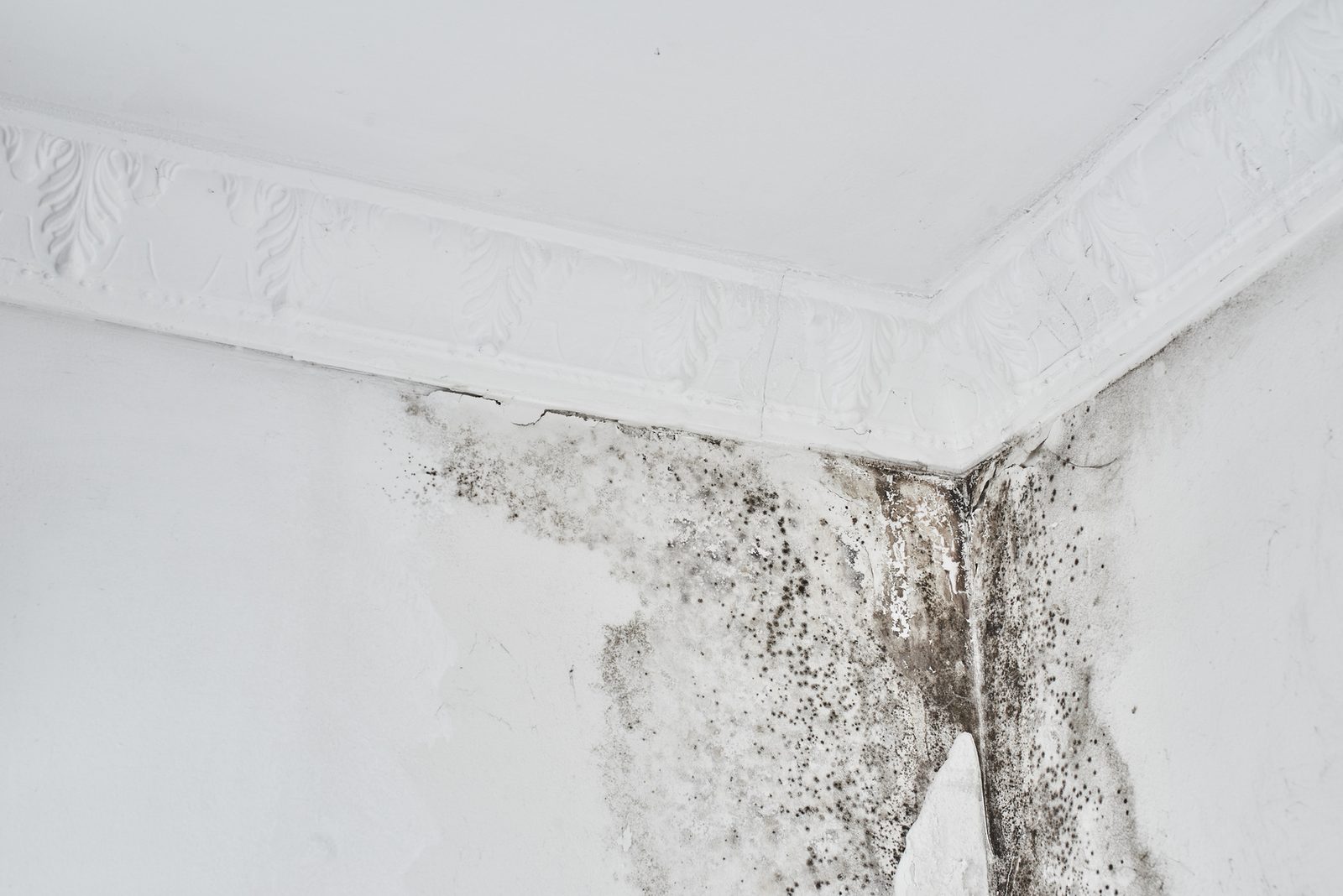
- In Texas, mold assessment and mold remediation are regulated by the Texas Department of Licensing and Regulation (TDLR).
- One licensee cannot do both the mold assessment and the mold remediation on the same project.
- After a project, the client should receive a signed Certificate of Mold Damage Remediation no later than the 10th day.
- Per TDLR, sellers must give buyers copies of certificates received in the preceding five years.
- Anyone can check a Texas mold license with the TDLR license search.
Why does mold show up on so many Houston home inspection reports?
Mold shows up on Houston inspection reports because the area is warm and humid, and many homes have had leaks, storm water or high indoor moisture at some point. An inspector may note visible growth, staining, musty odors or high moisture readings. A note on the report is a starting point, not a final answer about how big the problem is.
Common places include attics, bathrooms, under sinks, around windows, inside air handlers and along baseboards after a leak. If you want to understand the warning signs first, read our guide to signs of hidden mold. Attics are a frequent spot in Houston, so see attic mold remediation if your report points there.
Should I fix mold before I list my Houston home?
Many Houston sellers choose to deal with mold before listing because buyers and their inspectors are likely to find it anyway. Fixing the moisture source and getting documentation can make conversations with buyers simpler. The right choice depends on how much mold there is, where it is and what your agent advises.
Things sellers often weigh:
- Size and location. A small spot on bathroom caulk is different from growth across attic decking or inside walls.
- The cause. Mold comes back if the leak, condensation or humidity problem is not fixed.
- Paperwork. A completed project that follows Texas rules can produce a certificate you may need to share with buyers.
- Timing. Assessment, remediation and clearance each take scheduling, so starting early helps.
Who is allowed to do mold remediation near me in Houston?
In Texas, companies and individuals doing mold assessment or mold remediation must be licensed by the Texas Department of Licensing and Regulation (TDLR) unless an exemption applies. This is set by Texas Occupations Code Chapter 1958 and the Texas Mold Assessment and Remediation Rules (16 Tex. Admin. Code, Chapter 78).
TDLR license types include Mold Assessment Consultant, Mold Assessment Company, Mold Remediation Contractor and Mold Remediation Company, among others. Licensed individuals must carry a current TDLR license certificate that shows their license number. You can look up any license at the TDLR license search before anyone starts work.
Need help now? Call to be connected with a local provider in Houston who can check availability for your address.
Why are the mold assessor and the remediator different companies?
Texas mold rules prohibit one licensee from doing both the mold assessment and the mold remediation on the same project. The rule is meant to prevent conflicts of interest, so the person who decides what needs to be done is not the same person paid to do it.
In practice, a licensed Mold Assessment Consultant inspects the home and writes a protocol, which is the plan for the work. A separate licensed remediation contractor then follows that protocol. After the work, an assessment consultant checks the results. You can read more about that last step on our post-remediation clearance testing page.
What is a Certificate of Mold Damage Remediation and why does it matter for a sale?
A Certificate of Mold Damage Remediation is a document the remediation contractor signs and gives the client no later than the 10th day after a mold remediation project ends. The assessment consultant who did the post-remediation assessment must also sign it. For sellers, it is often the most important piece of paper from the whole project.
According to TDLR's consumer information sheet:
- Sellers must give buyers copies of certificates received in the preceding five years.
- A certificate showing the underlying cause was fixed keeps an insurer from making an underwriting decision based on that previous mold damage or claim.
This is general information, not legal advice. Ask your real estate agent or attorney how it applies to your sale.
What happens during the visit?
The first visit is about understanding the problem before any work is agreed. A local provider looks at the areas named in your inspection report, checks for moisture and talks with you about what they find. You get your options explained and a written quote before any work begins.
- Inspection. The provider looks at visible growth, checks moisture levels and looks for the source, such as a roof leak, plumbing leak or condensation.
- Options explained. You hear what Texas rules require for your situation, including whether a separate licensed assessor is needed to write a protocol.
- Written quote. You get the scope in writing before work starts, so you can share it with your agent or buyer.
- No surprises. Nothing is started until you agree to it.
Want the full picture first? See how it works.
What should Houston home buyers ask when mold is on the report?
Houston buyers should ask what caused the mold, whether the cause was fixed, and whether a licensed assessor and remediator handled the work. Asking for any Certificate of Mold Damage Remediation from the past five years is reasonable, since Texas sellers must provide copies.
Useful questions for the seller or listing agent:
- Where was the mold, and how large was the area?
- Was there a leak, flood or HVAC issue, and was it repaired?
- Who did the assessment and who did the remediation? What are their TDLR license numbers?
- Was clearance testing done after the work?
For background on the difference between cleaning and full remediation, read mold removal vs. remediation.
Can I clean up mold myself before selling?
Under TDLR rules, a homeowner can take mold samples or clean up mold in their own home without a license. That is a licensing rule only. It does not mean every cleanup is a good idea, and it will not produce the certificate a licensed project does.
Small surface spots are different from mold inside walls, ducts or attic framing. If you are unsure of the size or cause, a professional assessment gives you a clear answer you can share with buyers. For general health questions about mold, follow guidance from public health agencies and talk with your doctor.
Mold rules and conditions for Houston, Sugar Land and Pearland sellers
Houston's weather and flood history shape how often mold appears in real estate deals across the area, from Sugar Land and Missouri City to Pearland, Kingwood and Clear Lake.
- Rain and humidity. Houston Intercontinental's 1991-2020 normal annual rainfall is 51.84 inches, according to the National Weather Service.
- Flood history. The Harris County Flood Control District says a major flood occurs somewhere in Harris County about every two years, and flooding can happen outside mapped floodplains.
- Harvey. The NWS reports that Harvey flooding in Harris County destroyed 835 homes and damaged 113,136 homes.
- Fast growth after leaks. The Texas Department of Insurance warns that mold can start growing within a day after a leak.
- Project notice. A licensed remediator must notify TDLR at least five days before a project begins, except for projects under 25 contiguous square feet.
Looking for a nearby area page? See mold remediation in Sugar Land or mold remediation in Pearland.
Related pages
Questions people ask
How do I find mold remediation near me in Houston before I sell my house?
Call to be connected with a local provider who serves your part of Houston. They can look at the areas on your inspection report and explain next steps, including whether a separate licensed mold assessor is needed.
Do I have to tell buyers about mold when selling a house in Texas?
TDLR says sellers must give buyers copies of any Certificate of Mold Damage Remediation received in the preceding five years. For other disclosure questions, ask your real estate agent or an attorney, since this page is not legal advice.
Will mold on an inspection report kill my Houston home sale?
Not always. Many sales move forward once the cause is found, the mold is handled and the paperwork is in order. How it affects your deal depends on the size of the problem and what you and the buyer agree to.
Does a mold remediation company in Texas need a license?
Yes, in most cases. TDLR requires companies and individuals doing mold remediation to be licensed unless an exemption applies, such as a homeowner working in their own home.
How can I check a mold company's license in Texas?
Use the TDLR license search at tdlr.texas.gov. Licensed individuals must also carry a current TDLR license certificate that shows their license number, so you can ask to see it.
Can the same company test for mold and remove it in Texas?
No. Texas mold rules prohibit one licensee from doing both the assessment and the remediation on the same project. This keeps the person writing the plan separate from the person paid to do the work.
What is a mold remediation protocol?
A protocol is the written plan for a mold job. In Texas, a licensed Mold Assessment Consultant prepares it, and the remediation contractor follows it.
What paperwork should I get after mold remediation in Houston?
You should receive a Certificate of Mold Damage Remediation no later than the 10th day after the project ends. The remediation contractor and the assessment consultant who did the post-remediation assessment both sign it.
Why does the mold certificate matter for insurance?
According to TDLR, a certificate showing the underlying cause was fixed keeps an insurer from making an underwriting decision based on that previous mold damage or claim. Check with your insurer about your own policy.
Can I clean mold myself before I list my house?
Texas lets a homeowner clean up mold in their own home without a license. That is only a licensing rule, though, and a DIY cleanup will not produce a Certificate of Mold Damage Remediation for buyers.
Does homeowners insurance pay for mold before a sale?
It depends on your policy. TDI says mold on an item damaged in a covered loss may be covered, but mold from a flood is not, and most home policies don't include mold cleanup and testing after the damaged item is removed. Check your policy and document everything.
Is a small mold spot a big deal for Houston buyers?
Usually a small surface spot is less of a concern than hidden or widespread growth. Buyers mostly want to know the cause was fixed. A professional look can tell you which situation you have.
Does TDLR need to be notified about my mold job?
For larger projects, yes. A licensed remediator must notify TDLR at least five days before the project begins, but there is no notification requirement when mold affects less than 25 contiguous square feet.
Should I get mold fixed before or after I accept an offer?
Either can work. Fixing it before listing gives buyers fewer questions, while handling it after an offer lets you negotiate the scope. Talk with your agent about which fits your timeline.
What causes mold in Houston homes that are for sale?
Moisture is the cause. In Houston that often means roof or plumbing leaks, past flooding, condensation from air conditioning, or high indoor humidity in attics and bathrooms.
Can mold come back after remediation?
Yes, if the moisture source is not fixed. That is why a good plan finds and corrects the leak or humidity problem first, and why clearance testing after the work is useful.
I'm buying a house in Houston with past mold. What should I ask for?
Ask for any mold certificates from the past five years, the names and license numbers of the assessor and remediator, and proof that the cause was repaired. Clearance test results are helpful too.
Does a flood history in Harris County mean a house has mold?
No, not automatically. But flooding can happen outside mapped floodplains, so it is worth asking about past water events and checking for moisture during inspection.
Is mold in a Houston home a health risk?
For health questions, follow guidance from public health agencies and talk with your doctor. This page covers Texas rules and the remediation process, not medical advice.
How long does mold remediation take before closing?
It varies by the size of the job and scheduling for assessment, remediation and clearance. Call early so a local provider can look at your home and explain what to expect for your situation.
Talk to someone about your mold problem
Call to be connected with a local provider who can check availability for your address and explain the next step.