Is Black Mold Dangerous? A Houston Guide
Is black mold dangerous? Public health agencies say the color of a mold does not tell you how harmful it is, so any mold growing inside a Houston home should be removed and its moisture source fixed. People with allergies, asthma or weak immune systems should avoid exposure, and anyone with symptoms should talk to a doctor.
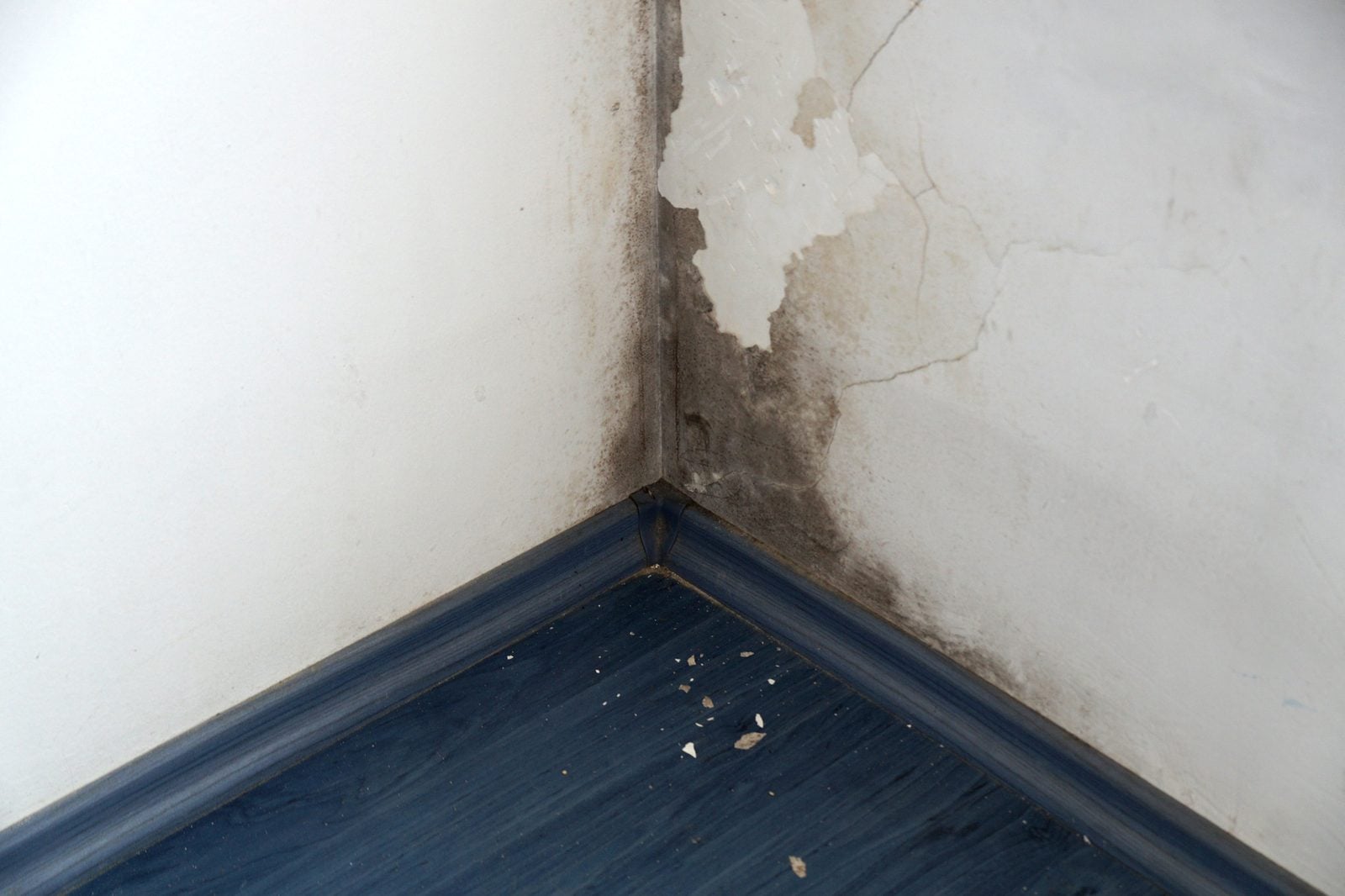
- Black, green and white molds can all grow indoors. The CDC says you do not need to identify the type before removing it.
- Moisture is the real problem. Mold will keep coming back until the leak, condensation or humidity behind it is fixed.
- Public health agencies advise that sensitive people, including those with asthma or allergies, avoid mold exposure and cleanup work.
- TDI warns that mold can start growing within a day after a leak.
- This guide shares general public-agency guidance only. It does not diagnose illness. Ask a doctor about symptoms.
Is black mold dangerous to have in your home?
Black mold in a Houston home is worth taking seriously, but not because of its color. The CDC and EPA treat all indoor mold the same way: remove it, fix the moisture that feeds it and keep it from coming back.
Public health agencies say some people notice nothing around mold, while sensitive people may react to it. The safe approach is to avoid long exposure, keep sensitive household members away from the area and clean or remove the growth promptly. If anyone in the home has symptoms, talk to a doctor. This page cannot tell you whether mold is affecting your health.
Does the color of mold tell you how harmful it is?
No. Color does not tell you how harmful a mold is. Many different molds look black, dark gray or dark green, and the same mold can change color as it grows. Agencies such as the CDC say you do not need to know the type of mold to decide what to do next.
This is the most common black mold myth. People see a dark spot and assume the worst, or ignore lighter growth nearby. Any indoor mold, whatever its shade, means there is extra moisture somewhere, and that moisture needs your attention first.
What does "toxic black mold" really mean?
"Toxic black mold" is a popular phrase, not a precise label. It usually refers to one mold species that can look greenish-black, but other dark molds look almost the same, and looks alone do not tell you what a mold means for a specific home or person.
Stick to what public agencies recommend: do not rely on looks, do not wait for a lab result before fixing a leak and treat every patch of indoor mold as something to remove. If you want to know what a patch is, a licensed mold assessor can take samples. Our guide Black Mold: What You Need to Know covers how black mold grows.
Need help now? Call to be connected with a local provider in Houston who can check availability for your address.
Who should be most careful around black mold?
Public health agencies say people with allergies, asthma, chronic lung conditions or weakened immune systems should be especially careful around mold and should avoid cleanup work. Babies, young children and older adults are often kept away from moldy areas as a simple precaution.
In practice, that means closing off the room, keeping pets out, running the AC so humidity stays down and letting someone else handle the cleanup or calling a professional. If you are pregnant, have a health condition or are worried about a child, talk to your doctor or pediatrician. They can give advice that fits your situation, which no website can do.
Why does the moisture source matter more than the mold type?
Mold needs water to grow, so the moisture source decides whether the problem stays small or keeps spreading. You can scrub a wall clean, but if a pipe is still dripping behind it or the room sits above 60 percent humidity, the growth will return.
Common moisture sources in Houston homes include slow plumbing leaks under sinks, clogged AC condensate lines, roof and window leaks, poorly vented bathrooms and attics, and storm water that soaked into drywall or flooring. The EPA suggests keeping indoor humidity below 60 percent, ideally between 30 and 50 percent. If water damage started the problem, our page on mold remediation after water damage explains what usually needs to come out.
Black mold myths vs. facts
- Myth: Black mold is always the dangerous kind. Fact: Color does not tell you how harmful a mold is. Remove all indoor mold the same way.
- Myth: Bleach solves a mold problem. Fact: The EPA generally favors detergent and water for cleanup, and no cleaner fixes the leak behind the growth.
- Myth: Dead mold is harmless. Fact: EPA guidance notes that dead mold can still cause allergic reactions in some people, so it should be removed, not just sprayed.
- Myth: You must test before you clean. Fact: For small visible patches, testing is usually not needed. It helps more when growth may be hidden or you need documentation.
- Myth: Painting over mold makes it go away. Fact: Paint traps moisture and mold underneath, and stains often show through again.
- Myth: Mold only grows where you can see it. Fact: A musty smell with no visible growth can point to mold inside walls, under floors or in the attic.
When is black mold a job for a professional?
Call for professional help when black mold covers more than about 10 square feet, follows a flood or sewage backup, is inside walls, ductwork or the attic, or keeps coming back after cleaning. The EPA uses that size as a general line for when a careful homeowner may handle cleanup.
Professional crews use containment and air filtration so spores do not drift into clean rooms, and they remove soaked porous materials like drywall, insulation and carpet pad. For small surface spots you plan to handle yourself, our guide on how to kill black mold in a Houston home covers safe steps. For larger growth, see black mold removal or a mold inspection to find hidden moisture.
What happens during the visit?
When you call and are connected with a local provider, the visit starts with an inspection of the moldy area and the moisture source behind it. The provider looks at how far the growth may reach, including spots you cannot see, and checks for active leaks or high humidity.
Next, the provider explains what they found and walks you through your options, from small cleanups to removing damaged materials. You get a written quote before any work begins. In Texas, one licensee cannot do both the mold assessment and the mold remediation on the same project, so you may work with two separate companies. Take time to ask questions and check licenses before you agree to anything.
Why black mold shows up so often in Houston homes
Houston's rain, humidity and flood history keep mold on the radar for homes from Bellaire and Missouri City to Clear Lake and Humble. Public facts show why moisture control matters here:
- Rain. Houston Intercontinental's 1991-2020 normal annual rainfall is 51.84 inches, according to the National Weather Service.
- Flooding. The Harris County Flood Control District says a major flood occurs somewhere in Harris County about every two years, and that flooding can happen outside mapped floodplains.
- Harvey. The NWS Harvey assessment reports that flooding in Harris County damaged 113,136 homes.
- Storm season. The Atlantic hurricane season runs from June 1 to November 30, so roof leaks and storm water are common in late summer and fall.
- Speed. The Texas Department of Insurance warns that mold can start growing within a day after a leak.
- Rules. The Texas Department of Licensing and Regulation (TDLR) regulates mold assessment and remediation businesses. A homeowner can clean up mold in their own home without a license, but hired mold work must be done by TDLR-licensed companies unless an exemption applies.
Anyone can check a Texas mold license with the TDLR license search. See our Bellaire mold remediation page for local details.
Related pages
Questions people ask
Is black mold dangerous to have in my house, or am I overreacting?
You are not overreacting by wanting it gone, but color alone does not make it more harmful. Public health agencies say all indoor mold should be removed and its moisture source fixed. Ask a doctor about any symptoms.
Is black mold more dangerous than green or white mold?
Not based on color. The CDC and EPA treat all indoor mold the same way, so a green or white patch deserves the same attention as a black one.
Is toxic black mold a real thing or just internet hype?
The phrase is more of a popular label than a precise one. Some molds look greenish-black, but looks alone do not tell you what a mold means for your home or health, so agencies advise removing all indoor mold the same way.
Can I tell what kind of mold it is just by looking at it?
No. Many molds look alike, and color can change as mold grows. Only lab analysis of a sample can identify the type, and for small visible patches it is usually not needed.
Is it dangerous to sleep in a bedroom that has black mold on the wall?
Public health agencies advise sensitive people to avoid mold exposure, so it is reasonable to sleep elsewhere until the growth is removed and the moisture is fixed. Talk to a doctor if you have symptoms.
Is black mold more of a concern for babies, kids or older adults?
Many families keep babies, children and older adults away from moldy areas as a precaution. Agencies say people with asthma, allergies or weak immune systems should be most careful. A pediatrician or doctor can advise on your situation.
Should I see a doctor if I think black mold is making me sick?
Yes. A doctor is the right person to talk to about symptoms. This guide shares general public-agency information and cannot diagnose illness.
Is dead black mold still a problem after I spray it?
Yes, it can be. EPA guidance notes that dead mold may still cause allergic reactions in some people, so it should be physically removed, not just sprayed.
Does black mold under my kitchen sink mean I have a leak?
Often, yes. Mold under a sink usually points to a slow drip from a supply line, drain or faucet base. Fix the leak first, then clean or replace the damaged cabinet floor.
Does black mold mean my house is unsafe to live in?
Not usually for a small patch, but large or hidden growth deserves a professional assessment. The bigger question is how much moisture got into the home and where it went.
Can black mold spread to other rooms through my AC system?
Mold growing on AC coils or in ducts can spread spores as air moves through the house. Do not try to clean inside ducts yourself; an HVAC mold specialist can check them.
Do I need to move out of my Houston home if it has black mold?
Most people with small patches stay home and close off the area. For large projects, ask the provider how containment works and whether anyone sensitive should stay elsewhere during the work.
Should I tell my landlord about black mold in my apartment?
Yes. Report it in writing, include photos and note any leaks or water damage you see. Ask the landlord how and when the moisture source will be fixed.
Is it safe to clean black mold myself if I wear a mask?
For a small patch on a hard surface, a careful adult with an N-95 mask, goggles and gloves can usually clean it. Sensitive people should not do the cleanup, and large or hidden growth needs a professional.
Why does my Houston house keep getting black mold no matter what I do?
Ongoing growth almost always means ongoing moisture. Check for slow leaks, a clogged AC drain line, poor bathroom ventilation and indoor humidity above 60 percent.
How can I find out if black mold is hiding inside my walls?
Watch for a musty smell, peeling paint, soft drywall or stains near plumbing and windows. A mold inspection can use moisture meters and sampling to locate hidden growth.
Who do I call about black mold in my Houston home?
Call to be connected with a local provider who serves your part of Houston. You can check any Texas mold license with the TDLR license search.
Talk to someone about your mold problem
Call to be connected with a local provider who can check availability for your address and explain the next step.